


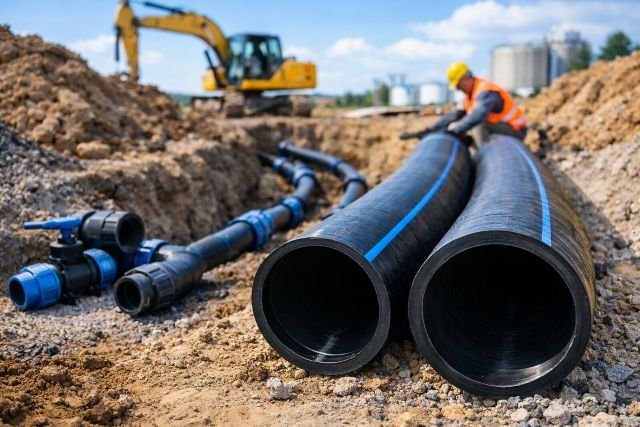
In today’s rapidly evolving infrastructure landscape, choosing the right piping material is critical for long-term performance, safety, and cost efficiency. Among the available options, the medium density polyethylene pipe has emerged as a superior solution for modern piping systems.
- What Is Medium Density Polyethylene Pipe?
- Why Medium Density Polyethylene Pipe Is Ideal for Modern Piping
- Applications of Medium Density Polyethylene Pipe
- MDPE vs Other Piping Materials
- Environmental Benefits of MDPE Pipes
- Common Questions About Medium Density Polyethylene Pipe (FAQ)
- Installation Tips for MDPE Pipes
- Case Study: Urban Water System Upgrade
- Conclusion
From water supply networks to gas distribution and industrial applications, this versatile material offers a combination of strength, flexibility, and durability that traditional materials struggle to match. In this article, we’ll explore why medium density polyethylene pipe stands out, how it compares with alternatives, and why engineers and contractors increasingly prefer it.
What Is Medium Density Polyethylene Pipe?
Medium Density Polyethylene (MDPE) pipe is a type of thermoplastic pipe made from polyethylene with a density typically ranging between 0.926–0.940 g/cm³.
Key Characteristics
- Moderate density (between LDPE and HDPE)
- Excellent flexibility
- High impact resistance
- Strong chemical resistance
- Long service life (50+ years)
MDPE pipes are widely used in:
- Gas distribution systems
- Potable water supply
- Irrigation systems
- Industrial fluid transport
Why Medium Density Polyethylene Pipe Is Ideal for Modern Piping
1. Exceptional Durability and Longevity
One of the biggest advantages of medium density polyethylene pipe is its long lifespan. Unlike metal pipes that corrode over time, MDPE is resistant to:
- Rust
- Scale buildup
- Chemical degradation
According to the Plastics Pipe Institute (PPI), polyethylene piping systems can last 50 to 100 years under normal conditions.
2. Superior Flexibility
Flexibility is a defining feature of MDPE pipes.
Benefits of Flexibility:
- Reduces need for fittings and joints
- Allows installation in uneven terrain
- Minimizes risk of cracking under pressure
This makes MDPE especially useful in:
- Earthquake-prone areas
- Underground installations
- Trenchless technologies
3. Corrosion and Chemical Resistance
Traditional materials like steel and iron are vulnerable to corrosion. MDPE pipes, however, are:
- Immune to electrochemical corrosion
- Resistant to aggressive chemicals
- Ideal for acidic or alkaline environments
This significantly reduces maintenance costs over time.
4. Cost-Effectiveness
Although the initial cost of MDPE pipes can be competitive, the real savings come from:
| Cost Factor | MDPE Advantage |
|---|---|
| Installation | Lower (flexibility reduces labor) |
| Maintenance | Minimal |
| Lifespan | Long-term ROI |
| Repairs | Rare |
Real-World Example
Municipal water systems switching to polyethylene piping have reported up to 30% cost savings over 20 years.
5. Leak-Free Jointing Systems
MDPE pipes often use fusion welding techniques such as:
- Butt fusion
- Electrofusion
These methods create leak-proof joints, eliminating one of the biggest risks in piping systems.
Applications of Medium Density Polyethylene Pipe
1. Gas Distribution Networks
MDPE is widely used in gas pipelines due to:
- High pressure tolerance
- Leak resistance
- Safety performance
2. Water Supply Systems
Safe for potable water, MDPE complies with international standards such as:
- WHO guidelines
- NSF certifications
3. Irrigation Systems
Farmers prefer MDPE pipes because:
- They are lightweight
- Easy to install
- Resistant to UV and chemicals
4. Industrial Use
Used in transporting:
- Chemicals
- Wastewater
- Slurries
MDPE vs Other Piping Materials
| Feature | MDPE Pipe | PVC Pipe | Steel Pipe |
|---|---|---|---|
| Flexibility | High | Low | Very Low |
| Corrosion Resistance | Excellent | Good | Poor |
| Lifespan | 50–100 yrs | 25–40 yrs | 20–30 yrs |
| Installation Ease | Easy | Moderate | Difficult |
| Maintenance | Low | Medium | High |
Environmental Benefits of MDPE Pipes
Eco-Friendly Material
- Fully recyclable
- Lower carbon footprint compared to metal pipes
Reduced Water Loss
Leak-proof joints help conserve water, addressing global water scarcity challenges.
Common Questions About Medium Density Polyethylene Pipe (FAQ)
Q1: Is medium density polyethylene pipe safe for drinking water?
Yes. MDPE pipes meet international safety standards and do not contaminate water.
Q2: How long does MDPE pipe last?
Typically 50–100 years, depending on usage and environmental conditions.
Q3: Can MDPE pipes handle high pressure?
Yes, MDPE pipes are designed for moderate to high-pressure applications, especially in gas and water systems.
Q4: Is MDPE better than PVC?
In many cases, yes. MDPE offers better flexibility, durability, and resistance to cracking.
Q5: Are MDPE pipes suitable for underground use?
Absolutely. Their flexibility and corrosion resistance make them ideal for buried installations.
Installation Tips for MDPE Pipes
To maximize performance:
- Use proper fusion techniques for joints
- Avoid sharp bends beyond recommended limits
- Ensure correct pipe sizing for pressure requirements
- Store pipes away from direct sunlight before installation
Case Study: Urban Water System Upgrade
A mid-sized city replaced aging steel pipelines with medium density polyethylene pipe.
Results:
- 40% reduction in water leakage
- 25% lower maintenance costs
- Improved water quality
This demonstrates how MDPE can transform infrastructure efficiency.
Conclusion
The medium density polyethylene pipe has become a cornerstone of modern piping systems due to its unmatched combination of durability, flexibility, and cost-efficiency. Whether for water supply, gas distribution, or industrial use, MDPE offers a future-proof solution that outperforms traditional materials in nearly every aspect.
Its long lifespan, environmental benefits, and low maintenance requirements make it not just a practical choice — but a strategic investment for sustainable infrastructure.
As industries continue to evolve, adopting materials like MDPE will be essential for building resilient, efficient, and cost-effective piping systems.