


Tooth extraction can feel intimidating, but what you eat afterward plays a huge role in how quickly and comfortably you heal. If you’re wondering what to eat after tooth extraction, the right diet can prevent pain, reduce swelling, and lower the risk of infection.
- Why Diet Matters After Tooth Extraction
- What to Eat After Tooth Extraction (First 24–48 Hours)
- Best Nutrient-Rich Foods for Faster Healing
- Foods to Avoid After Tooth Extraction
- Transitioning Back to Normal Foods
- Sample Meal Plan After Tooth Extraction
- Common Mistakes to Avoid
- Real-Life Scenario: Why Food Choice Matters
- Expert Tips for Faster Healing
- Frequently Asked Questions (FAQ)
- Conclusion: What to Eat After Tooth Extraction for a Smooth Recovery
In the first few days, your mouth is especially sensitive. The extraction site needs time to form a protective blood clot, and eating the wrong foods can disrupt healing. According to the American Dental Association (ADA), proper aftercare—including diet — is critical to avoid complications like dry socket and infection.
This guide will walk you through safe foods, what to avoid, and expert-backed tips to help you recover smoothly.
Why Diet Matters After Tooth Extraction
After a tooth is removed, your body immediately begins the healing process. A blood clot forms in the socket, protecting the bone and nerves underneath. Eating inappropriate foods can dislodge this clot, leading to a painful condition called dry socket.
Research published by the National Institutes of Health (NIH) highlights that maintaining a soft-food diet significantly reduces post-extraction complications.
Choosing the right foods helps:
- Minimize irritation to the wound
- Reduce the risk of infection
- Promote faster tissue repair
- Keep you nourished without discomfort
What to Eat After Tooth Extraction (First 24–48 Hours)
Soft and Gentle Foods for Immediate Recovery
During the first two days, focus on foods that require little to no chewing. These foods should be soft, cool, and easy to swallow.
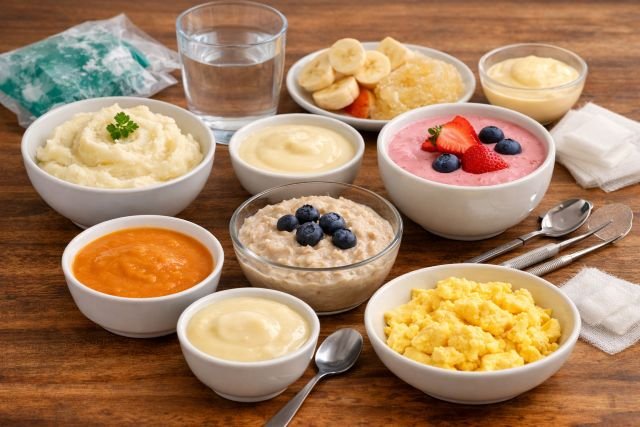
Some of the safest options include yogurt, applesauce, smoothies (without a straw), mashed potatoes, and soups that are not too hot. These foods provide nutrients without putting pressure on the extraction site.
Cold foods can also help reduce swelling. Ice cream (without crunchy toppings) and chilled pudding are popular choices, but moderation is key to avoid excess sugar.
Best Nutrient-Rich Foods for Faster Healing
Healing isn’t just about avoiding pain — it’s also about giving your body the nutrients it needs to recover.
Protein-Rich Foods
Protein supports tissue repair. Soft scrambled eggs, cottage cheese, and blended lentils are excellent choices. According to Harvard Health Publishing, protein intake plays a direct role in wound healing and recovery.
Vitamin-Rich Foods
Vitamin C helps boost immunity and tissue repair. Blended fruits like bananas and mangoes are ideal. You can also include pureed vegetables such as carrots and pumpkin.
Hydrating Foods
Staying hydrated is essential. Smooth soups, broths, and water-rich fruits (blended) help maintain hydration without irritating the wound.
Foods to Avoid After Tooth Extraction
Knowing what not to eat after tooth extraction is just as important as knowing what to eat.
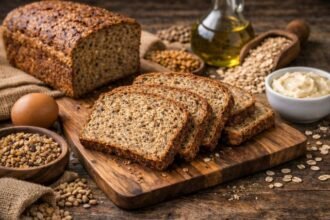
Hard, crunchy foods like chips, nuts, and toast can damage the healing area. Spicy foods may irritate the wound and cause discomfort. Sticky foods like caramel can get lodged in the socket, increasing infection risk.
Hot beverages should also be avoided initially, as heat can dissolve the blood clot. Additionally, drinking through a straw can create suction that dislodges the clot—one of the leading causes of dry socket.
The Mayo Clinic strongly advises avoiding smoking and alcohol as well, since both can delay healing and increase complications.
Transitioning Back to Normal Foods
After about 3–5 days, you can gradually introduce slightly firmer foods, depending on your comfort level.
Start with soft pasta, well-cooked rice, and soft bread soaked in soup. Chew on the opposite side of your mouth to avoid disturbing the extraction site.
By the end of the first week, many people can return to a more normal diet, but caution is still necessary. Always follow your dentist’s specific instructions.
Sample Meal Plan After Tooth Extraction
Day 1
Breakfast: Yogurt
Lunch: Blended vegetable soup
Dinner: Mashed potatoes
Day 2
Breakfast: Smoothie (no straw)
Lunch: Applesauce and soft scrambled eggs
Dinner: Creamy soup
Day 3–5
Breakfast: Oatmeal (cooled)
Lunch: Soft pasta
Dinner: Steamed and mashed vegetables
This gradual progression ensures your mouth heals without unnecessary strain.
Common Mistakes to Avoid
Many people unknowingly slow down their recovery by making simple mistakes.
Eating too soon after surgery can disturb the clot. Dentists typically recommend waiting at least a few hours before consuming anything.
Another common mistake is poor oral hygiene. While you should avoid brushing directly over the extraction site, gentle rinsing with saltwater after 24 hours can help keep the area clean.
Ignoring pain or swelling is also risky. If symptoms worsen instead of improving, it’s important to consult your dentist immediately.
Real-Life Scenario: Why Food Choice Matters
Consider a patient who eats crunchy snacks just a day after extraction. The sharp edges irritate the wound, dislodging the clot. Within 48 hours, they develop dry socket, leading to severe pain and delayed healing.
On the other hand, patients who stick to soft, nutrient-rich foods typically experience faster recovery and minimal discomfort.
This highlights how crucial it is to follow proper dietary guidelines.
Expert Tips for Faster Healing
Dentists recommend keeping your head elevated while resting to reduce swelling. Applying an ice pack during the first 24 hours can also help.
Eat slowly and chew carefully. Always keep food away from the extraction site.
Staying consistent with prescribed medications and following aftercare instructions significantly improves recovery outcomes.
For more oral care tips, you can explore related guides on post-dental surgery care (internal link suggestion).
Frequently Asked Questions (FAQ)
What is the best food to eat after tooth extraction?
Soft foods like yogurt, mashed potatoes, and smoothies are ideal because they don’t require chewing and won’t irritate the wound.
Can I eat rice after tooth extraction?
Yes, but only after a few days. Ensure it is soft and well-cooked to avoid irritation.
How long should I eat soft foods after tooth extraction?
Most dentists recommend sticking to soft foods for at least 3–5 days, depending on healing progress.
Is it safe to drink coffee after tooth extraction?
It’s best to avoid hot beverages for the first 24–48 hours, as heat can disrupt the healing clot.
Conclusion: What to Eat After Tooth Extraction for a Smooth Recovery
Understanding what to eat after tooth extraction is essential for avoiding pain, preventing infection, and speeding up healing. Soft, nutrient-rich foods support recovery, while avoiding hard, hot, or spicy items protects the extraction site.
By following expert advice, maintaining good hygiene, and choosing the right diet, you can ensure a comfortable and complication-free recovery. When in doubt, always consult your dentist for personalized guidance.