


When it comes to crafting unforgettable barbecue, the secret isn’t just in the meat or the rub — it’s in the wood smoker wood you choose. Within the first few moments of cooking, the type of wood you use begins shaping the aroma, color, and flavor of your BBQ. Whether you’re slow-smoking brisket or grilling ribs, selecting premium wood smoker wood can elevate your cooking from average to exceptional.
- Why Wood Smoker Wood Matters for BBQ Flavor
- Types of Wood Smoker Wood and Their Flavor Profiles
- How to Choose the Best Wood Smoker Wood
- Wood Forms: Chips, Chunks, Logs, and Pellets
- Expert Tips for Using Wood Smoker Wood
- Common Mistakes to Avoid
- Health and Safety Considerations
- Real-World Example: Perfect Brisket with Oak and Cherry
- Frequently Asked Questions About Wood Smoker Wood
- Conclusion: Elevate Your BBQ with the Right Wood Smoker Wood
In this guide, we’ll explore everything you need to know about choosing the right wood, how it impacts flavor, and expert techniques to achieve that rich, authentic BBQ taste.
Why Wood Smoker Wood Matters for BBQ Flavor
Wood is more than just fuel — it’s a flavoring agent. When heated, wood releases compounds like lignin and cellulose that break down into aromatic smoke. According to the USDA Forest Products Laboratory, these compounds create the signature smoky taste that defines traditional barbecue.
Different types of wood smoker wood produce different flavor profiles. Some woods add sweetness, while others bring bold, earthy notes. Choosing the wrong wood can overpower your meat, while the right one enhances it beautifully.
Types of Wood Smoker Wood and Their Flavor Profiles
Hardwood vs Softwood: What You Need to Know
Not all wood is suitable for smoking. Hardwoods such as oak, hickory, and fruitwoods are ideal because they burn cleanly and produce consistent smoke. Softwoods like pine or cedar should be avoided because they contain resins that can create unpleasant flavors and harmful compounds.
Popular Wood Smoker Wood Options
Hickory Wood
Hickory is one of the most popular choices for BBQ enthusiasts. It produces a strong, bacon-like flavor that pairs exceptionally well with pork and ribs. However, using too much can result in a bitter taste.
Oak Wood
Oak is versatile and burns evenly, making it a favorite for beginners and professionals alike. It delivers a medium smoky flavor that complements beef, lamb, and even vegetables.
Applewood
Applewood is a fruitwood known for its mild and slightly sweet flavor. It’s perfect for poultry and pork, adding a subtle aroma without overpowering the meat.
Mesquite Wood
Mesquite burns hot and fast, producing an intense, earthy flavor. It’s commonly used in Texas-style BBQ for beef brisket, but should be used sparingly due to its strength.
Cherry Wood
Cherry wood gives a mild fruity flavor and enhances the color of meat, creating that deep reddish hue BBQ lovers admire.
How to Choose the Best Wood Smoker Wood
Selecting the right wood smoker wood depends on several factors, including the type of meat, cooking method, and desired flavor intensity.
Match Wood with Meat
Different meats respond differently to smoke. Beef can handle stronger woods like mesquite or oak, while chicken benefits from lighter woods like apple or cherry.
Consider Smoke Intensity
If you’re new to smoking, start with mild woods. Strong woods can quickly overpower your dish if not used correctly.
Use Seasoned Wood
Freshly cut wood contains too much moisture and produces excessive smoke. Properly seasoned wood burns cleaner and delivers better flavor.
Wood Forms: Chips, Chunks, Logs, and Pellets
Wood smoker wood comes in different forms, each suited for specific cooking setups.
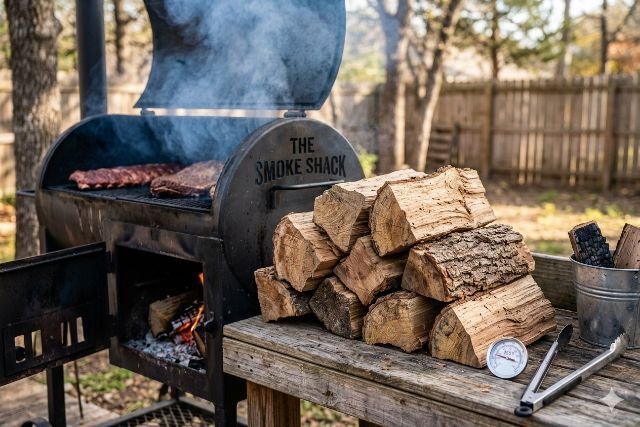
Wood chips ignite quickly and are ideal for short grilling sessions. Wood chunks burn longer and are perfect for charcoal smokers. Logs are used in offset smokers for traditional BBQ, while pellets are designed for pellet grills and offer convenience with consistent heat control.
Expert Tips for Using Wood Smoker Wood
Control Your Smoke
Thin, blue smoke is what you’re aiming for. Thick white smoke can make your food taste bitter. This is a common mistake among beginners.
Don’t Over-Smoke
More smoke doesn’t always mean better flavor. According to BBQ experts at AmazingRibs.com, over-smoking can mask the natural taste of the meat.
Preheat Your Wood
Adding cold wood to a hot smoker can disrupt temperature. Preheating helps maintain consistency.
Combine Woods for Unique Flavors
Mixing different types of wood smoker wood can create complex flavor profiles. For example, combining oak with cherry gives both strength and sweetness.
Common Mistakes to Avoid
Using the wrong type of wood is one of the biggest mistakes. Softwoods should never be used. Another mistake is soaking wood chips unnecessarily — contrary to popular belief, soaking delays combustion rather than improving smoke quality.
Overloading your smoker with wood can also ruin your BBQ. Moderation is key.
Health and Safety Considerations
Using clean, untreated wood is crucial. Avoid painted, stained, or chemically treated wood, as these can release toxins when burned.
The World Health Organization (WHO) highlights that incomplete combustion can produce harmful compounds, so maintaining proper airflow in your smoker is essential.
Real-World Example: Perfect Brisket with Oak and Cherry
Imagine preparing a brisket for a weekend BBQ. Using oak as your base wood provides steady heat, while adding cherry enhances color and adds a subtle sweetness. The result is a perfectly smoked brisket with a rich bark and balanced flavor.
This combination is widely used in professional BBQ competitions because it delivers consistent, crowd-pleasing results.
Frequently Asked Questions About Wood Smoker Wood
What is the best wood smoker wood for beginners?
Oak and applewood are excellent starting points because they are mild and versatile.
Can I mix different wood types?
Yes, combining woods can create unique flavors and enhance your BBQ experience.
How much wood should I use?
Use small amounts and adjust based on taste. Too much smoke can overpower food.
Should I soak wood chips before smoking?
No, soaking is generally unnecessary and can produce uneven smoke.
What wood is best for brisket?
Oak and mesquite are commonly used, often combined with fruitwoods for balance.
Conclusion: Elevate Your BBQ with the Right Wood Smoker Wood
Choosing the right wood smoker wood is one of the most important steps in achieving rich, authentic BBQ flavor. From selecting the right type of wood to mastering smoke control, every detail contributes to the final taste.
By understanding how different woods interact with different meats, experimenting with combinations, and following expert techniques, you can transform your BBQ into a truly memorable experience. Whether you’re a beginner or a seasoned pitmaster, investing in premium wood smoker wood will always pay off in flavor.