



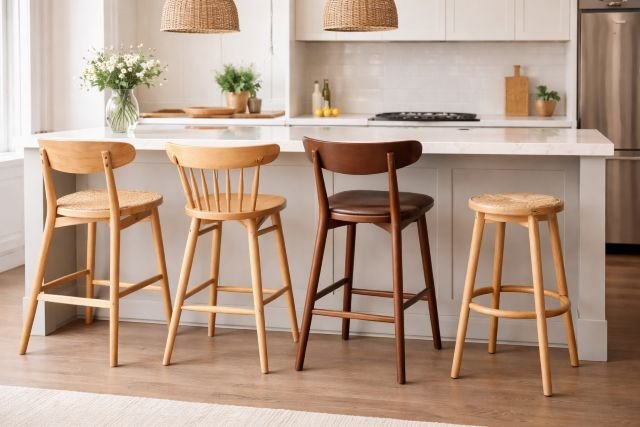
Choosing the right wooden bar stool can transform your kitchen, dining area, or home bar from ordinary to exceptional. Whether you’re upgrading your space or furnishing a new one, the right stool blends comfort, functionality, and aesthetics seamlessly. But with so many styles, heights, and materials available, making the right choice can feel overwhelming.
- Why a Wooden Bar Stool Is a Timeless Choice
- Understanding the Different Types of Wooden Bar Stools
- Choosing the Right Height for Your Wooden Bar Stool
- Matching Your Wooden Bar Stool to Your Interior Style
- Material Quality: What to Look For
- Comfort Matters More Than You Think
- Space Planning and Layout Tips
- Durability and Maintenance of Wooden Bar Stools
- Budget Considerations: Finding Value for Money
- Common Mistakes to Avoid When Buying a Wooden Bar Stool
- Real-Life Scenario: Choosing the Right Stool for a Modern Kitchen
- Frequently Asked Questions (FAQ)
- Conclusion: Finding Your Perfect Wooden Bar Stool
In this comprehensive guide, you’ll learn exactly how to select the perfect wooden bar stool for your space, including expert tips, design insights, and practical considerations that ensure your investment lasts for years.
Why a Wooden Bar Stool Is a Timeless Choice
A wooden bar stool remains one of the most popular seating options for modern and traditional interiors alike. Wood offers durability, versatility, and a natural aesthetic that complements nearly any décor style.
According to research by the Forest Stewardship Council (FSC), sustainably sourced wood products are not only environmentally friendly but also highly durable, often lasting decades with proper care. This makes wooden furniture a smart long-term investment.
Wooden stools also age beautifully, developing character over time. Unlike metal or plastic alternatives, they can be refinished, repaired, and customized.
Understanding the Different Types of Wooden Bar Stools
Before selecting a wooden bar stool, it’s important to understand the different styles available and how they fit into various spaces.
Backless Wooden Bar Stools
Backless stools are perfect for compact spaces. They can be tucked neatly under the counter, saving room and maintaining a clean look.
These stools work well in minimalist kitchens or small apartments where space efficiency is key.
Wooden Bar Stools with Backs
If comfort is your priority, stools with backs provide better support for longer sitting periods.
They are ideal for family kitchens or entertainment areas where guests may sit for extended periods.
Swivel Wooden Bar Stools
Swivel stools add functionality and ease of movement. They are particularly useful in social settings where interaction is frequent.
Upholstered Wooden Bar Stools
These combine the warmth of wood with added comfort through cushioning. They are great for creating a more luxurious or cozy feel.
Choosing the Right Height for Your Wooden Bar Stool
One of the most critical factors when selecting a wooden bar stool is height. An incorrect height can make seating uncomfortable and impractical.
The standard guideline is to maintain a gap of 9–12 inches between the seat and the underside of the counter.
For example, a kitchen counter that is 36 inches high typically requires stools that are 24–26 inches tall. For bar-height counters around 42 inches, stools should be 28–30 inches tall.
Getting this measurement right ensures both comfort and proper posture.
Matching Your Wooden Bar Stool to Your Interior Style
Your bar stool should complement your overall design theme rather than clash with it.
Modern Interiors
For modern spaces, opt for sleek wooden bar stools with clean lines and minimal detailing. Light woods like oak or ash work particularly well.
Rustic or Farmhouse Style
Distressed finishes and darker woods such as walnut or reclaimed wood enhance rustic charm.
Industrial Spaces
A combination of wood and metal elements creates a balanced industrial aesthetic.
Traditional Homes
Ornate wooden stools with carved details and rich finishes like mahogany fit perfectly in classic interiors.
Material Quality: What to Look For
Not all wooden bar stools are created equal. The type of wood significantly impacts durability, appearance, and price.
Hardwoods such as oak, maple, and walnut are known for their strength and longevity. Softwoods like pine are more affordable but may dent or wear more easily.
According to the Wood Database, hardwoods generally have higher density and resistance to wear, making them ideal for furniture that experiences daily use.
Pay attention to joinery as well. Mortise-and-tenon joints are a sign of high-quality craftsmanship and long-lasting construction.
Comfort Matters More Than You Think
While style is important, comfort should never be compromised.
A good wooden bar stool should have:
A well-sized seat that supports your body comfortably.
A footrest to reduce pressure on your legs.
Proper back support if you plan to sit for extended periods.
Even slight ergonomic improvements can make a big difference in everyday use.
Space Planning and Layout Tips
Before purchasing a wooden bar stool, consider how many stools your space can accommodate without feeling cramped.
A general rule is to allow at least 6 inches between stools for comfortable seating.
For example, a 6-foot counter can typically accommodate three stools comfortably.
Proper spacing ensures ease of movement and a more inviting atmosphere.
Durability and Maintenance of Wooden Bar Stools
A high-quality wooden bar stool can last for decades, but proper care is essential.
Regular dusting and occasional polishing help maintain the finish. Avoid placing stools in areas with excessive moisture or direct sunlight, as this can cause warping or fading.
If scratches occur, many wooden stools can be refinished, restoring them to their original condition.
Budget Considerations: Finding Value for Money
Wooden bar stools are available across a wide price range. While budget options may seem appealing, investing in quality often saves money in the long run.
Higher-end stools typically use better materials, stronger construction techniques, and more durable finishes.
Think of your purchase as a long-term investment rather than a temporary solution.
Common Mistakes to Avoid When Buying a Wooden Bar Stool
Many buyers focus solely on appearance and overlook practical aspects.
Choosing the wrong height is one of the most common mistakes. Another is ignoring comfort features like footrests and back support.
Some also fail to consider how the stool will fit within their existing décor or how many stools their space can realistically accommodate.
Avoiding these mistakes ensures a better overall experience.
Real-Life Scenario: Choosing the Right Stool for a Modern Kitchen
Imagine a homeowner redesigning a compact modern kitchen. They opt for a light oak wooden bar stool with a backrest and slim legs.
The stools are 26 inches tall, perfectly matching the counter height. Their minimalist design complements the kitchen’s clean lines while providing comfort for daily meals.
This example shows how thoughtful selection can enhance both functionality and aesthetics.
Frequently Asked Questions (FAQ)
What is the best wood for a wooden bar stool?
Hardwoods like oak, maple, and walnut are the best choices due to their durability and resistance to wear.
How do I know what height bar stool to buy?
Measure your counter height and subtract 9–12 inches to determine the ideal seat height.
Are wooden bar stools comfortable?
Yes, especially when designed with ergonomic features like footrests and supportive shapes.
How many bar stools should I place at my counter?
Allow at least 24–30 inches of width per stool for comfortable spacing.
Conclusion: Finding Your Perfect Wooden Bar Stool
Choosing the right wooden bar stool is about more than just style — t’s about creating a comfortable, functional, and visually appealing space. By considering factors like height, material, comfort, and design compatibility, you can make a confident and informed decision.
A well-chosen wooden bar stool not only enhances your interior but also becomes a lasting piece of furniture that you’ll enjoy every day. Take your time, evaluate your needs, and invest in quality — you’ll thank yourself later.