



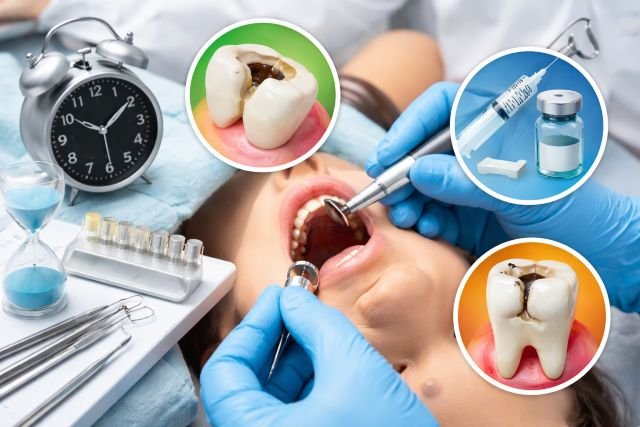
If you’ve ever asked yourself, how long does a filling take, you’re not alone. Dental fillings are one of the most common procedures worldwide, yet many people are unsure about the time commitment involved. Whether you’re scheduling your first appointment or replacing an old filling, understanding the timeline can help you plan your day and reduce anxiety.
- What Is a Dental Filling?
- How Long Does a Filling Take on Average?
- Step-by-Step: What Happens During a Filling?
- Factors That Affect How Long a Filling Takes
- Does the Type of Filling Change the Time?
- Is Getting a Filling Painful?
- How Long Does a Filling Take for Kids vs Adults?
- Can a Filling Be Done in One Visit?
- Tips to Make Your Filling Appointment Faster
- What Happens After the Filling?
- Common Questions About Filling Time
- Real-Life Scenario
- Conclusion: How Long Does a Filling Take?
In most cases, a dental filling takes 20 minutes to an hour, depending on several factors. However, that estimate can vary significantly based on the type of filling, the size of the cavity, and your dentist’s approach. Let’s break it down in detail so you know exactly what to expect.
What Is a Dental Filling?
A dental filling is a treatment used to repair tooth damage caused by decay. When bacteria create cavities, dentists remove the decayed portion and fill the space with materials like composite resin, amalgam, or porcelain.
According to the American Dental Association (ADA), fillings are essential for preventing further decay and maintaining oral health.
How Long Does a Filling Take on Average?
The average time for a dental filling depends on the complexity of the case. Here’s a general breakdown:
- Small cavity: 20–30 minutes
- Medium cavity: 30–45 minutes
- Large or multiple cavities: 45–90 minutes
If you’re wondering again, how long does a filling take, the short answer is: most appointments are completed within an hour, especially for simple cases.
Step-by-Step: What Happens During a Filling?
Understanding the process can make the time feel more predictable.
1. Examination and Preparation
Your dentist examines the tooth using tools or X-rays. This step usually takes 5–10 minutes.
2. Numbing the Area
A local anesthetic is applied to ensure you don’t feel pain. This takes about 5–10 minutes to fully take effect.
3. Removing Decay
The dentist drills out the decayed portion. The duration depends on the cavity size.
4. Filling Placement
The material is applied, shaped, and hardened using a special light (for composite fillings).
5. Polishing and Adjustment
Your dentist ensures your bite feels natural.
Factors That Affect How Long a Filling Takes
1. Size and Severity of the Cavity
The bigger the cavity, the longer it takes to clean and fill. Deep decay near the nerve may require extra care.
2. Type of Filling Material
Different materials impact procedure time:
- Composite fillings: Longer due to layering and curing
- Amalgam fillings: Faster to place
- Porcelain or gold: May require multiple visits
3. Number of Fillings Needed
If you need multiple cavities treated in one session, your appointment will naturally be longer.
4. Tooth Location
Back teeth (molars) take more time due to their structure and accessibility.
5. Dentist’s Experience and Technology
Modern dental clinics using advanced tools like laser dentistry can reduce procedure time significantly.
Does the Type of Filling Change the Time?
Yes, the type of filling plays a major role in answering the question: how long does a filling take.
Composite Fillings
These tooth-colored fillings are popular but require layering and curing, which takes more time.
Amalgam Fillings
Silver fillings are quicker to place but less commonly used today due to aesthetics.
Ceramic or Porcelain Fillings
These often require lab work, meaning two visits may be needed.
Is Getting a Filling Painful?
Most patients report minimal discomfort. Local anesthesia ensures the procedure is pain-free. You may feel slight pressure, but not pain.
After the procedure, mild sensitivity is normal and usually fades within a few days.
According to the Cleveland Clinic, post-filling sensitivity is common but temporary.
How Long Does a Filling Take for Kids vs Adults?
Children often have shorter appointments because:
- Cavities are typically smaller
- Pediatric dentists work efficiently
- Kids’ teeth are easier to access
However, anxious children may require additional time for comfort and reassurance.
Can a Filling Be Done in One Visit?
Yes, most fillings are completed in a single visit. However, exceptions include:
- Severe decay requiring a crown
- Inlays/onlays needing lab fabrication
- Complicated cases involving infection
Tips to Make Your Filling Appointment Faster
- Brush and floss before your visit
- Arrive early to complete paperwork
- Inform your dentist about sensitivity
- Choose clinics with modern equipment
These small steps can reduce delays and improve efficiency.
What Happens After the Filling?
After your filling:
- Avoid eating until numbness wears off
- Stick to soft foods for a few hours
- Maintain oral hygiene
You can usually return to normal activities immediately.
Common Questions About Filling Time
How long does a filling take for one tooth?
Typically 20–40 minutes, depending on cavity size.
Can multiple fillings be done in one visit?
Yes, dentists often treat multiple teeth in a single appointment.
Why does my filling appointment take longer than expected?
Delays can occur due to deeper decay, anesthesia time, or adjustments needed for your bite.
How long does numbness last after a filling?
Usually 1–3 hours, depending on the anesthetic used.
Real-Life Scenario
Imagine you have a small cavity in a front tooth. Your dentist uses composite resin. The entire process—from numbing to polishing—takes about 30 minutes.
Now compare that to a large molar cavity requiring layered filling. That could take closer to an hour or more.
Conclusion: How Long Does a Filling Take?
So, how long does a filling take? In most cases, you can expect the procedure to last between 20 minutes and one hour. The exact time depends on factors like cavity size, filling material, and tooth location.
The good news is that dental fillings are quick, effective, and essential for maintaining your oral health. With modern techniques and experienced dentists, the process is smoother and faster than ever.
If you’ve been delaying treatment, now you know it won’t take much time—and it can save you from bigger dental problems later.