



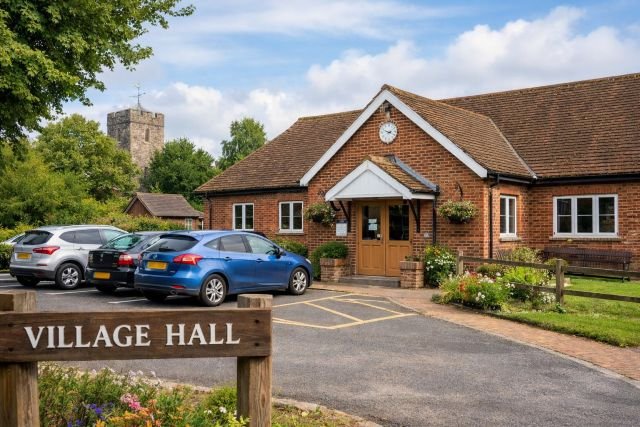
If you’re looking for a flexible, community-run venue in Kent, east malling village hall is one of the most practical options in the village — especially for parties, community groups, classes, and local events. Set on New Road in East Malling, the hall is managed by the local parish council and includes the essentials most hirers care about: a main hall space, kitchen access, and a stage setup, with an advertised maximum capacity of 240 people.
- Quick overview of East Malling Village Hall
- How to book East Malling Village Hall (step-by-step)
- Parking for East Malling Village Hall: where to park and what to watch for
- Getting there by train: what guests should know
- What to expect inside East Malling Village Hall
- Real-world booking scenarios (so you can picture your event)
- Tips to make your booking smoother (and cheaper)
- FAQ
- Conclusion: is East Malling Village Hall a good choice?
This guide walks you through the full hire experience: how booking typically works, the easiest parking choices nearby (including time limits), what the venue offers on the day, and the small details that help your event run smoothly.
Quick overview of East Malling Village Hall
Address: New Road, East Malling, Kent ME19 6DD
Capacity: Main hall (with kitchen and stage) – capacity 240
Managed by: East Malling & Larkfield Parish Council
Accessibility: The parish council notes facilities for disabled users.
A key point: information about hall hire is split across community pages and the parish council site. The “halls for hire” listing confirms the venue basics and directs hirers to the parish council for bookings and the latest rates.
How to book East Malling Village Hall (step-by-step)
Because east malling village hall is parish-council run, booking is usually more “community venue” than “instant online checkout.” The simplest path is to contact the parish council using the booking details provided on local listings and confirm availability, price, and any rules for your type of event.
1) Start with the right enquiry details
Before you call or email, have these ready:
- Your preferred date(s) and exact start/end times (including setup and clean-down)
- Event type (children’s party, class, meeting, celebration, etc.)
- Estimated guest count (seated vs standing makes a difference)
- Whether you need the kitchen, stage, or any additional rooms (if offered)
- Any special requirements (music/DJ, bouncy castle, accessibility needs)
Why it matters: community halls often have tighter turnarounds between bookings, and being precise about times helps avoid surprise add-on charges (e.g., needing an extra hour for cleanup).
2) Check rates and hire terms early
Rates can change and are typically published by the parish council (often as an updated rates sheet). The community listing for the hall points hirers to the parish council for “current rates.”
If you’re comparing venues, it’s also worth asking what’s included (tables/chairs, kitchen use, stage lighting, etc.) and what isn’t (cleaning supplies, AV, glasses, staff presence).
3) Confirm what “capacity” means for your setup
The hall is advertised with a capacity figure (240).
But capacity can vary depending on layout:
- A seated audience layout reduces numbers (chairs take space and require aisles)
- A buffet + dance floor layout changes the usable floor area
- Large equipment (soft play, inflatables, staging) reduces safe occupancy
A good question to ask: “For my event style, what’s a realistic comfortable number?” That gets you a more usable answer than a maximum figure alone.
4) Ask about deposits, cancellations, and insurance expectations
Most village halls operate with a hire agreement that covers:
- Deposit and payment deadlines
- Damage responsibility
- Noise cut-off times
- Alcohol policies (sometimes you need a separate licence/TEN depending on what you’re doing)
- Public liability insurance expectations (especially for commercial classes or ticketed events)
Even if your event is informal, it’s smart to clarify these up front so you’re not negotiating terms a week before your date.
5) Get arrival and handover details in writing
Two practical questions that save stress on the day:
- How do I collect/return keys (or meet the caretaker)?
- What condition does the hall need to be left in, and by what time?
If your booking ends at midnight, confirm whether you’re expected to be out by midnight or whether there’s a buffer for cleaning and lock-up.
Parking for East Malling Village Hall: where to park and what to watch for
Parking is often the biggest “make-or-break” factor for guests — especially if you’re hosting a children’s party with buggies, or an evening event where people arrive in waves.
Best nearby option: The Village Field car park (free, but time-limited weekdays)
A highly practical choice is The Village Field car park on High Street, East Malling ME19 6AJ. It’s listed by Tonbridge & Malling Borough Council as free parking, with 44 standard bays, 1 disabled bay, and 1 motorcycle bay.
The time rule that catches people out is the weekday limit:
- Maximum stay: 4 hours Monday–Friday between 8am and 6pm, with no return within 2 hours (except for qualifying season tickets/permits).
- Outside that window, the listing states the maximum stay is 23 hours.
How to use that information:
If your event is on a weekday daytime (e.g., a workshop), guests may need to plan around that 4-hour cap. For evening and weekend events, it’s generally easier — but it’s still worth telling guests exactly where you recommend they park and how long they can stay.
Accessible parking: plan ahead
The Village Field car park includes 1 disabled bay.
If you expect multiple Blue Badge users, advise arriving early or consider reserving your best drop-off point (if the hall’s layout allows a safe, temporary stop).
Quick drop-off and buses near the hall
There’s also a bus stop listed as “East Malling, adjacent to King and Queen” on New Road (near the church).
That’s useful if you want to encourage local guests to avoid driving, or if you’re planning a larger event where parking demand could spike.
Getting there by train: what guests should know
If guests are arriving by rail, East Malling station (ME19 6AJ) is the local stop.
The most important detail—especially for anyone with mobility needs — is accessibility:
- National Rail lists Step-free category C, meaning no step-free access to platforms, and also notes there are no lifts.
That doesn’t mean rail travel is impossible, but it does mean you should proactively plan for guests who use wheelchairs, have buggies, or struggle with stairs. A simple host move is to add a line to your invite like: “If you’re coming by train and need step-free access, tell me and we’ll plan the easiest route or a lift from a nearby accessible station.”
What to expect inside East Malling Village Hall
The essentials: hall + kitchen + stage
The hall listing describes a main hall including kitchen and stage.
In practical terms, that combination suits:
- Children’s parties (food prep + space to play)
- Community performances (stage + seating)
- Group classes (open floor + refreshment access)
- Meetings/AGMs (seating + basic amenities)
Accessibility and comfort
The parish council notes facilities for disabled at the village hall.
Even so, “accessible” can mean different things (parking proximity, step-free entrance, accessible toilets, hearing loop, etc.). If accessibility is important for your group, ask specifically:
- Is the main entrance step-free?
- Is there an accessible toilet?
- Are there any internal thresholds/ramps?
- Is there a designated accessible parking/drop-off approach?
Noise, music, and neighbour-friendly planning
Village halls are often near residential areas, so noise expectations matter. If you’re planning amplified music or a DJ, confirm:
- Finish times and any “quiet down” rule
- Whether doors/windows need to stay closed during music
- Whether there’s a limiter (some venues have them)
A good rule of thumb is to plan your “loudest” portion earlier, then taper down later in the evening.
Real-world booking scenarios (so you can picture your event)
Scenario 1: Children’s birthday party (weekend afternoon)
What works well at east malling village hall for a kids’ party is the straight-line simplicity: open hall space for play, and kitchen access for food and hot drinks. The operational win is planning your timeline like this:
- 30–45 minutes setup (decor + food table + any hired equipment)
- 2 hours party time
- 30–45 minutes cleanup and rubbish removal
That last block is what many people underestimate. If your booking ends at 5pm, you don’t want to still be sweeping at 5:10pm while the next group is arriving.
Parking tip: if most guests park at The Village Field car park, remind them about weekday time limits if your party is on a school holiday weekday.
Scenario 2: Community class or club (weekday evening)
For recurring bookings (yoga, craft club, community meetings), consistency matters more than “wow factor.” Ask early about:
- A regular weekly slot
- Storage options (if you have equipment)
- Heating/lighting arrangements (who controls it, and when)
If attendees come by train, flag the station’s lack of step-free access so nobody is surprised.
Scenario 3: Celebration with food + dancing
The biggest risk in a party with dancing is layout. A simple floor plan that usually works:
- Tables/chairs around the edges
- Food service near the kitchen side
- Clear dance/open area in the middle
- A defined “bags/coats zone” so clutter doesn’t spread
Also, decide in advance where your “sound source” goes (DJ/speaker). Placing speakers too close to walls can annoy neighbours more than necessary.
Tips to make your booking smoother (and cheaper)
Book slightly longer than you think you need
Many first-time hirers underbook time and then feel rushed. If your rate is hourly, that “one extra hour” is often the best value you can buy for stress reduction — especially for family events where cleanup always takes longer than planned.
Send guests a parking note with your invite
Don’t assume people will “figure it out.” Include:
- Suggested car park: The Village Field car park (High Street, ME19 6AJ)
- The weekday 4-hour rule (if relevant)
- The closest bus stop reference (King and Queen stop on New Road)
If accessibility matters, ask specific questions
The parish council notes disabled facilities, but your group’s needs may be more detailed.
A two-minute call can prevent a stressful surprise on the day.
FAQ
How do I book East Malling Village Hall?
You typically book by contacting the parish council that runs the hall and confirming availability, rates, and hire terms. The local halls listing directs booking enquiries and current rates via the parish council.
What is the capacity of East Malling Village Hall?
The hall listing describes the main hall (with kitchen and stage) with a capacity of 240.
Where can guests park for East Malling Village Hall?
A convenient nearby option is The Village Field car park on High Street (ME19 6AJ), listed as free parking with 44 standard bays and 1 disabled bay.
Are there weekday parking time limits?
Yes. The Village Field car park listing states a 4-hour maximum stay Monday–Friday between 8am and 6pm, with no return within 2 hours (except qualifying tickets/permits).
Is East Malling train station step-free?
National Rail lists East Malling station as Step-free category C (no step-free access to platforms) and notes there are no lifts.
Conclusion: is East Malling Village Hall a good choice?
For a no-nonsense, community-run venue with a strong “do what you need” layout, east malling village hall is a solid pick — especially if you value a central village location, a stage-and-kitchen setup, and a clear capacity guideline. The biggest success factor is planning the practicalities: confirm your hire terms early, give guests straightforward parking instructions (including weekday limits), and consider accessibility needs — particularly for train arrivals.
If you want, tell me what kind of event you’re hosting (kids party, class, meeting, reception) and whether it’s weekday or weekend, and I’ll tailor a “perfect booking checklist” and a guest parking note you can paste into your invitation.