



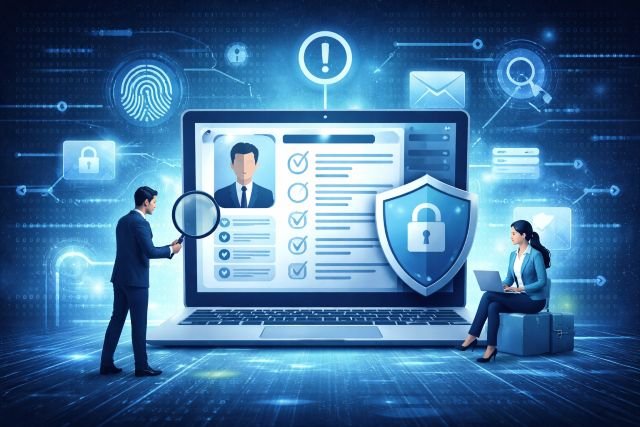
In today’s hyper-connected world, your digital footprint can reveal more about you than your resume. This is why a cyber background check has become an essential tool for employers, businesses, and even individuals looking to minimize risk. Unlike traditional background checks that focus on criminal records or employment history, cyber background checks analyze a person’s online presence, digital behavior, and publicly available internet data.
- What Is a Cyber Background Check?
- Why Cyber Background Checks Are Becoming Essential
- How Employers Use Cyber Background Checks
- How Individuals Use Cyber Background Checks
- Key Components of a Cyber Background Check
- Legal and Ethical Considerations
- Benefits of Conducting a Cyber Background Check
- Common Limitations of Cyber Background Checks
- Best Practices for Conducting a Cyber Background Check
- The Future of Cyber Background Checks
- Frequently Asked Questions
- Conclusion
Organizations increasingly rely on digital screening to prevent hiring mistakes, protect company reputation, and avoid cybersecurity threats. Individuals also use cyber background checks to verify online relationships, freelancers, and business partners.
According to a report by the Society for Human Resource Management (SHRM), more than 90% of employers conduct some form of background screening, and a growing portion includes social media and digital footprint analysis.
As the internet becomes a permanent record of personal and professional behavior, understanding how cyber background checks work can help organizations and individuals make safer, more informed decisions.
What Is a Cyber Background Check?
A cyber background check is a digital investigation that evaluates a person’s online presence, digital reputation, and publicly available internet activity.
It goes beyond traditional screening methods by examining online data sources such as:
- Social media profiles
- Public forums and blogs
- Online news mentions
- Digital footprints
- Data breach records
- Dark web references
- Online criminal records
The goal is to identify potential risks, credibility issues, or behaviors that could impact hiring decisions, partnerships, or personal safety.
Unlike simple Google searches, advanced cyber background checks often use specialized tools, data aggregation platforms, and cybersecurity analytics.
Why Cyber Background Checks Are Becoming Essential
The internet stores massive amounts of information about individuals, and this information can directly impact businesses and relationships.
Here are several reasons cyber background checks are now widely used.
Protecting Company Reputation
Employees represent a brand both online and offline. If a potential employee has a history of posting offensive content or engaging in unethical online behavior, it could damage the company’s image.
Major organizations often review digital activity to ensure candidates align with company values.
Preventing Insider Cybersecurity Threats
Cybersecurity risks are not limited to external hackers. Insider threats — employees who misuse systems or data—are a major concern.
A cyber background check may reveal:
- Past involvement in hacking communities
- Data leak participation
- Suspicious online activity
- Digital fraud indicators
According to IBM’s Cost of a Data Breach Report, insider threats account for around 19% of data breaches globally.
Verifying Online Identity
With remote work and global hiring becoming common, verifying a person’s identity online is increasingly important.
Cyber background checks help confirm whether:
- Online profiles are authentic
- Credentials match online records
- Digital activity aligns with professional claims
Reducing Hiring Risks
A bad hiring decision can cost companies thousands of dollars.
Research by the U.S. Department of Labor estimates that a bad hire can cost up to 30% of the employee’s annual salary.
Cyber screening provides another layer of protection by uncovering hidden risks.
How Employers Use Cyber Background Checks
Employers are among the largest users of cyber background checks. The hiring process now often includes reviewing digital footprints alongside traditional background verification.
Social Media Screening
Employers often review public social media profiles to evaluate professionalism and behavior.
This may include checking for:
- Hate speech or discrimination
- Harassment or threatening content
- Illegal activity
- Inappropriate professional conduct
However, ethical guidelines require employers to avoid discrimination based on protected characteristics.
Digital Reputation Analysis
Companies may analyze how a candidate is perceived online.
This involves reviewing:
- Online reviews
- Industry mentions
- Blog posts or articles
- Professional forum participation
A strong digital reputation can strengthen a candidate’s credibility.
Cybersecurity Risk Evaluation
Organizations in technology, finance, and healthcare industries often conduct deeper digital investigations.
These checks may include:
- Data breach databases
- Dark web mentions
- Past cybercrime associations
Tools like Have I Been Pwned help identify compromised accounts.
How Individuals Use Cyber Background Checks
Cyber background checks are not limited to companies. Individuals increasingly use them to protect themselves in both personal and professional situations.
Verifying Freelancers and Contractors
When hiring freelancers online, clients may perform digital reputation checks to ensure the person is trustworthy.
This might involve reviewing:
- Portfolio authenticity
- Online reviews
- Past client feedback
- Professional community participation
Online Dating Safety
Online dating platforms expose users to strangers. Running a basic cyber background check can help verify identities and detect red flags.
Checking social media consistency, digital presence, and public records can prevent scams or unsafe situations.
Checking Business Partners
Before entering partnerships, entrepreneurs may review a potential partner’s digital history.
This helps reveal:
- Past legal disputes
- Fraud accusations
- Reputation within the industry
- Financial controversies
Key Components of a Cyber Background Check
A comprehensive cyber background check typically examines multiple digital data sources.
Digital Footprint Analysis
This includes reviewing a person’s online presence across platforms.
Investigators analyze:
- Social media behavior
- Forum discussions
- Blog posts
- Public comments
Patterns of behavior can reveal character traits and professional attitudes.
Data Breach Exposure
Cyber background checks often determine whether someone’s data has appeared in known breaches.
Data exposure could indicate:
- Poor cybersecurity practices
- Compromised credentials
- Risk of identity theft
Dark Web Monitoring
Some advanced checks analyze dark web activity to identify connections to illegal marketplaces or leaked data.
This type of investigation is more common for high-risk roles in finance, government, or cybersecurity.
Public Record Analysis
Even in cyber-focused checks, public records remain important.
These may include:
- Court records
- Financial filings
- Business registrations
- News coverage
Legal and Ethical Considerations
Cyber background checks must comply with privacy and employment laws.
In the United States, for example, background checks used for hiring must follow the Fair Credit Reporting Act (FCRA).
Key legal considerations include:
- Obtaining candidate consent
- Avoiding discrimination
- Using accurate data sources
- Providing candidates the right to dispute findings
Organizations should work with reputable screening providers to ensure compliance.
The U.S. Federal Trade Commission (FTC) provides guidance on background checks and hiring practices:
Benefits of Conducting a Cyber Background Check
A well-executed cyber background check offers several advantages for both organizations and individuals.
Better Hiring Decisions
Digital insights provide context that resumes and interviews cannot reveal.
Employers can detect inconsistencies between professional claims and actual online activity.
Stronger Security
Cyber screening reduces the likelihood of hiring individuals with malicious digital histories.
This is particularly important in roles involving sensitive data or financial systems.
Improved Reputation Protection
Companies avoid public relations disasters by identifying problematic online behavior before hiring.
Safer Personal Relationships
Individuals can protect themselves from scams, identity fraud, or unsafe interactions online.
Common Limitations of Cyber Background Checks
Despite their benefits, cyber background checks are not perfect.
Information May Be Incomplete
Not all digital activity is public. Private accounts and encrypted platforms cannot be accessed legally.
Risk of Misinterpretation
Online posts may lack context or be misinterpreted.
For example, satire or jokes may appear offensive when viewed without context.
Privacy Concerns
Overly intrusive digital investigations can raise ethical concerns.
Responsible cyber background checks focus only on publicly available information.
Best Practices for Conducting a Cyber Background Check
Organizations and individuals should follow best practices to ensure accuracy and fairness.
Use Reliable Data Sources
Professional background screening services use verified databases and compliance frameworks.
Avoid relying solely on casual internet searches.
Respect Privacy Laws
Ensure the process follows relevant laws such as:
- GDPR (Europe)
- FCRA (United States)
- Data protection regulations in other jurisdictions
Verify Findings
Always cross-check suspicious information before making decisions.
False information or impersonation online is common.
Focus on Job Relevance
Employers should only consider digital behavior that is relevant to job performance or workplace safety.
The Future of Cyber Background Checks
As technology evolves, cyber background checks will become more sophisticated.
Artificial intelligence and data analytics are already improving the ability to detect patterns in online behavior.
Future trends may include:
- AI-driven digital reputation scoring
- Automated risk detection
- Deepfake verification tools
- Blockchain-based identity verification
However, balancing technology with privacy protections will remain a major challenge.
Frequently Asked Questions
What is a cyber background check?
A cyber background check is a digital screening process that analyzes a person’s online presence, social media activity, public records, and internet footprint to identify potential risks.
Are cyber background checks legal?
Yes, but they must follow privacy and employment laws. Employers typically need consent before conducting background checks during hiring.
What information is included in a cyber background check?
Common elements include social media activity, digital reputation, data breach exposure, public records, and online mentions.
Can individuals run cyber background checks?
Yes. Individuals often perform cyber background checks when verifying online contacts, freelancers, or potential business partners.
Conclusion
In a digital-first world, a cyber background check has become a critical tool for reducing risk and making informed decisions. By analyzing online behavior, digital footprints, and publicly available data, these checks help employers avoid costly hiring mistakes and protect their organizations from reputational and cybersecurity threats.
Individuals also benefit from cyber background checks by verifying identities, detecting scams, and ensuring safer personal and professional relationships.
As technology continues to evolve, cyber background screening will play an even larger role in security, hiring, and online trust. Organizations and individuals who understand how to use these tools responsibly will be better equipped to navigate the risks of the digital age.