


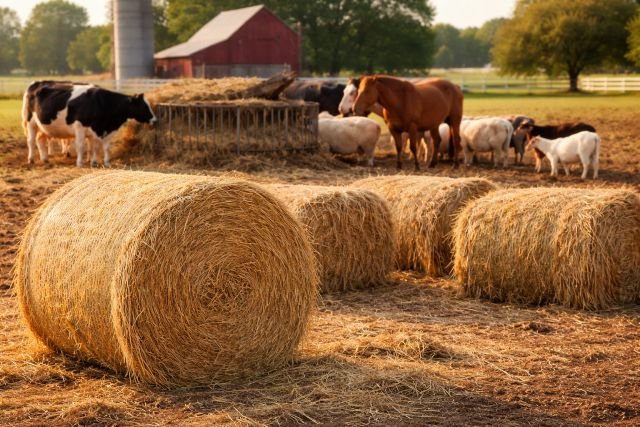
Choosing the right bale of hay is one of the most important decisions for maintaining livestock health, productivity, and longevity. Whether you are feeding cattle, horses, goats, or sheep, hay serves as a primary source of fiber, nutrients, and energy — especially when pasture is limited. A poor-quality bale of hay can lead to nutritional deficiencies, digestive problems, and even long-term health complications.
- What Is a Bale of Hay and Why It Matters
- Types of Bale of Hay for Livestock
- Nutritional Value of a Bale of Hay
- How to Identify High-Quality Bale of Hay
- Best Bale of Hay for Different Animals
- Common Mistakes When Choosing a Bale of Hay
- Proper Storage of Bale of Hay
- How Much Hay Should You Feed?
- Bale of Hay and Seasonal Feeding Strategies
- Benefits of Choosing the Right Bale of Hay
- FAQs About Bale of Hay
- Conclusion
In this detailed guide, we’ll explore how to select the best bale of hay, understand different types, evaluate quality, and match hay to specific livestock needs. By the end, you’ll have a clear, practical understanding of how to improve your animals’ health through smarter hay choices.
What Is a Bale of Hay and Why It Matters
A bale of hay is simply dried grass, legumes, or other forage crops that are cut, cured, and stored for animal feed. While this may sound simple, the quality of hay can vary dramatically depending on factors like harvesting time, storage conditions, and plant type.
High-quality hay provides essential nutrients such as protein, fiber, vitamins, and minerals. According to the Food and Agriculture Organization (FAO), forage quality directly impacts livestock productivity, including milk yield, weight gain, and reproductive success.
On the other hand, poor-quality hay — often overly mature or moldy — can reduce feed intake and harm animal health.
Types of Bale of Hay for Livestock
Grass Hay
Grass hay is one of the most commonly used types of bale of hay. It includes varieties such as timothy, orchard grass, bermuda grass, and ryegrass.
Grass hay is generally lower in protein but higher in fiber, making it ideal for animals that require steady digestion, such as horses. It is also less likely to cause metabolic issues compared to richer hays.
Legume Hay
Legume hay includes alfalfa and clover, both known for their high protein and calcium content. These types of bale of hay are particularly beneficial for:
- Dairy cattle
- Growing animals
- Pregnant or lactating livestock
However, feeding too much legume hay can lead to digestive problems like bloating, especially in cattle.
Mixed Hay
Mixed hay combines grasses and legumes, offering a balanced nutritional profile. This type of bale of hay is often preferred because it provides both energy and protein without the risks associated with overly rich forage.
Nutritional Value of a Bale of Hay
Understanding the nutritional content of hay is essential for making the right choice.
A quality bale of hay typically contains:
- Crude protein (varies by type and maturity)
- Fiber (essential for digestion)
- Energy (measured as Total Digestible Nutrients – TDN)
- Minerals like calcium and phosphorus
According to research from Penn State Extension, early-cut hay can contain up to 20% protein, while late-cut hay may drop below 10%.
This highlights the importance of harvest timing when evaluating a bale of hay.
How to Identify High-Quality Bale of Hay
Selecting a high-quality bale of hay involves more than just appearance. However, visual and sensory cues are still extremely useful.
Color and Smell
Good hay is typically green and has a fresh, pleasant smell. Yellow or brown hay often indicates nutrient loss due to overexposure to sunlight or poor storage.
Texture
Soft, leafy hay is more nutritious than coarse, stemmy hay. Leaves contain most of the nutrients, while stems are primarily fiber.
Absence of Mold and Dust
Moldy hay can cause respiratory issues and digestive problems. Always avoid a bale of hay that feels damp or produces dust when shaken.
Leaf-to-Stem Ratio
A higher proportion of leaves indicates better quality. This is especially important for animals requiring higher nutrient intake.
Best Bale of Hay for Different Animals
Horses
Horses require consistent fiber intake for proper digestion. Grass hay such as timothy or orchard grass is ideal.
Alfalfa can be used in moderation but should not be the sole feed source unless the horse has higher energy needs.
Cattle
Cattle can thrive on a variety of hay types. Beef cattle often do well with grass hay, while dairy cows benefit from higher-protein options like alfalfa.
Goats and Sheep
Goats and sheep prefer leafy hay with good nutritional value. Mixed hay or legume hay works well, but care must be taken to avoid overfeeding rich hay.
Common Mistakes When Choosing a Bale of Hay
Many livestock owners unknowingly compromise animal health by selecting the wrong type of hay.
One common mistake is choosing hay based solely on price. While cheaper hay may seem economical, it often lacks the nutrients required for optimal health.
Another mistake is ignoring storage conditions. Even a high-quality bale of hay can deteriorate quickly if stored improperly.
Feeding hay that is too mature is also problematic. Mature hay contains more fiber but less protein, making it less digestible.
Proper Storage of Bale of Hay
Proper storage plays a critical role in maintaining the quality of a bale of hay.
Hay should be stored in a dry, well-ventilated area to prevent mold growth. Elevating bales off the ground and covering them with tarps can protect them from moisture.
This makes storage just as important as selecting the right hay.
How Much Hay Should You Feed?
The amount of hay required depends on the type of animal, its weight, and its activity level.
As a general guideline, most livestock consume about 1.5% to 3% of their body weight in dry matter daily.
For example, a 500 kg cow may require 7.5 to 15 kg of hay per day.
Adjustments should be made based on factors such as:
- Growth stage
- Pregnancy
- Milk production
- Environmental conditions
Bale of Hay and Seasonal Feeding Strategies
During winter or dry seasons, pasture availability decreases, making hay the primary feed source.
In such cases, selecting a nutrient-rich bale of hay becomes even more critical. Supplementation with minerals or grains may also be necessary.
In contrast, during grazing seasons, hay can be used as a supplementary feed to ensure consistent nutrition.
Benefits of Choosing the Right Bale of Hay
Selecting the right bale of hay offers several long-term benefits.
Healthy livestock are more productive, whether in terms of milk yield, weight gain, or reproduction.
Good hay also supports digestive health, reducing the risk of colic, bloating, and other issues.
Additionally, proper hay selection can reduce veterinary costs and improve overall farm efficiency.
FAQs About Bale of Hay
What is the best bale of hay for livestock?
The best bale of hay depends on the animal. Grass hay is ideal for horses, while alfalfa or mixed hay is better for dairy cattle and growing animals.
How can I tell if hay is bad?
Bad hay is usually brown, dusty, or moldy and may have a sour smell. Avoid feeding such hay to animals.
Is alfalfa better than grass hay?
Alfalfa is richer in protein and nutrients but may not be suitable for all animals. It should be used based on specific dietary needs.
How long can hay be stored?
When stored properly, hay can last up to one year while retaining most of its nutritional value.
Conclusion
Choosing the right bale of hay is essential for ensuring livestock health, productivity, and overall well-being. From understanding different hay types to evaluating quality and storage practices, every decision plays a role in your animals’ success.
A high-quality bale of hay not only provides essential nutrients but also supports digestion, reduces health risks, and improves farm efficiency. By applying the tips and insights shared in this guide, you can make informed decisions that benefit both your livestock and your operation in the long run.