


In modern pipeline operations, choosing the right type of pigging strategy can significantly impact efficiency, safety, and operational costs. Whether in oil and gas, water treatment, or chemical processing industries, pigging has evolved from simple cleaning tools into advanced systems designed for inspection, batching, and flow assurance.
- What is Pigging and Why It Matters
- Types of Pigging Techniques Used in Modern Pipelines
- Advanced Type of Pigging Strategies for Maximum Efficiency
- Benefits of Advanced Pigging Strategies
- Real-World Example: Oil and Gas Pipeline Optimization
- Common Challenges in Pigging Operations
- Best Practices for Implementing Advanced Pigging
- Frequently Asked Questions (FAQ)
- Conclusion
This article explores advanced type of pigging strategies, providing in-depth insights into how they maximize efficiency, reduce downtime, and enhance pipeline integrity. If you’re looking to optimize your pipeline operations, understanding these strategies is essential.
What is Pigging and Why It Matters
Pigging refers to the use of devices known as “pigs” that travel through pipelines to perform various functions such as cleaning, inspection, separation, and maintenance. The process is critical for maintaining flow efficiency and preventing issues like corrosion, blockages, and contamination.
According to the , regular pipeline maintenance, including pigging, reduces the risk of failure and improves long-term reliability.
Advanced pigging strategies go beyond basic cleaning by incorporating smart technologies, automation, and data-driven decision-making.
Types of Pigging Techniques Used in Modern Pipelines
Understanding different type of pigging methods helps operators choose the most effective approach based on their pipeline conditions and goals.
Utility Pigging
Utility pigs are primarily used for cleaning operations. These include foam pigs, brush pigs, and scraper pigs. They remove debris, wax buildup, and sediments that can restrict flow.
While simple, utility pigging remains essential for maintaining baseline efficiency.
Intelligent Pigging
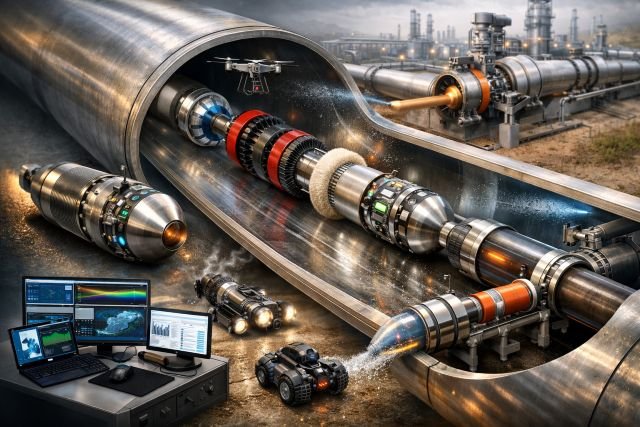
Also known as “smart pigging,” this method uses advanced sensors and data collection tools to inspect pipeline integrity. Intelligent pigs can detect corrosion, cracks, and wall thickness variations.
A study by the American Petroleum Institute (API) highlights that intelligent pigging reduces pipeline failure risks by up to 70% when used regularly.
Gel Pigging
Gel pigging involves using viscous gels instead of solid pigs. This method is ideal for pipelines with complex geometries or where traditional pigs may struggle.
Gel pigging is particularly effective in removing fine debris and liquids without damaging sensitive pipeline interiors.
Batching Pigging
Batching pigs are used to separate different products within the same pipeline. This is common in multi-product pipelines transporting fuels or chemicals.
Efficient batching reduces contamination and product loss, directly impacting profitability.
Advanced Type of Pigging Strategies for Maximum Efficiency
Modern industries are adopting advanced strategies that combine different type of pigging techniques with technology and data analytics.
Integrated Pigging Programs
Rather than relying on a single method, integrated pigging programs combine utility, intelligent, and batching pigging into a cohesive maintenance plan.
This approach ensures that pipelines are not only clean but also continuously monitored for potential issues.
For example, an oil refinery may schedule utility pigging weekly, intelligent pigging quarterly, and batching pigging during product transitions. This layered strategy maximizes efficiency and minimizes risks.
Real-Time Monitoring and Data Analytics
One of the most significant advancements in pigging is the integration of real-time monitoring systems.
Modern smart pigs are equipped with sensors that collect data on pressure, temperature, corrosion levels, and structural integrity. This data is transmitted and analyzed using advanced software.
According to , data-driven maintenance strategies can reduce operational costs by up to 20%.
By analyzing pigging data, operators can predict failures before they occur, enabling proactive maintenance.
Customized Pig Design
Not all pipelines are the same, which is why customized pig designs are becoming increasingly popular.
Engineers now design pigs tailored to specific pipeline conditions, including diameter variations, bends, and material types.
Custom pigs improve cleaning efficiency, reduce wear and tear, and ensure better performance compared to generic solutions.
Automated Pigging Systems
Automation is transforming pigging operations. Automated pig launchers and receivers reduce manual intervention, improving safety and efficiency.
These systems can be programmed to run pigging operations at optimal intervals, ensuring consistent maintenance without disrupting operations.
Automation also reduces human error, which is a common cause of inefficiencies in traditional pigging processes.
Pigging Frequency Optimization
Determining the optimal frequency for pigging is crucial. Too frequent pigging increases costs, while infrequent pigging leads to buildup and inefficiency.
Advanced strategies use predictive analytics to determine the ideal pigging schedule based on pipeline conditions and operational data.
This ensures maximum efficiency while minimizing unnecessary downtime.
Benefits of Advanced Pigging Strategies
Implementing advanced type of pigging strategies offers several tangible benefits.
Improved flow efficiency is one of the most immediate advantages. Clean pipelines allow fluids to move more freely, reducing energy consumption and operational costs.
Enhanced safety is another critical benefit. Regular inspection and maintenance reduce the risk of leaks, ruptures, and environmental hazards.
Cost savings are achieved through reduced downtime, fewer repairs, and optimized resource usage.
Additionally, advanced pigging supports regulatory compliance by ensuring pipelines meet industry standards and safety requirements.
Real-World Example: Oil and Gas Pipeline Optimization
Consider a large oil and gas company operating a 500-kilometer pipeline. Initially, the company relied on basic utility pigging once every two months.
Over time, they experienced reduced flow efficiency and unexpected maintenance issues.
By implementing an advanced type of pigging strategy, including intelligent pigging and real-time monitoring, the company achieved significant improvements.
Flow efficiency increased by 15%, maintenance costs decreased by 25%, and pipeline downtime was reduced by 30%.
This case demonstrates how advanced pigging strategies can deliver measurable results.
Common Challenges in Pigging Operations
Despite its benefits, pigging comes with challenges that must be addressed for optimal performance.
Pipeline complexity can make pigging difficult, especially in systems with multiple bends and diameter changes.
Operational disruptions are another concern, as pigging may require temporary shutdowns or reduced flow rates.
Data management is also a challenge, particularly with intelligent pigging systems that generate large volumes of data.
Addressing these challenges requires careful planning, advanced technology, and skilled personnel.
Best Practices for Implementing Advanced Pigging
To maximize the effectiveness of your type of pigging strategy, consider the following best practices.
Start by conducting a thorough pipeline assessment to understand its condition and requirements.
Invest in modern pigging technologies, including smart pigs and automated systems.
Develop a comprehensive pigging schedule based on data and predictive analytics.
Train personnel to handle advanced pigging equipment and interpret data effectively.
Regularly review and update your pigging strategy to adapt to changing conditions and technological advancements.
Frequently Asked Questions (FAQ)
What is the most effective type of pigging for pipelines?
The most effective type of pigging depends on the pipeline’s purpose and condition. Intelligent pigging is ideal for inspection, while utility pigging is best for cleaning.
How often should pigging be performed?
Pigging frequency varies based on pipeline usage and conditions. Advanced strategies use data analytics to determine optimal intervals.
Can pigging damage pipelines?
When properly implemented, pigging does not damage pipelines. In fact, it helps maintain integrity and prevent long-term damage.
What industries use pigging?
Pigging is widely used in oil and gas, water treatment, chemical processing, and food industries.
Conclusion
Advanced type of pigging strategies are essential for achieving maximum pipeline efficiency in today’s demanding industrial environments. By integrating intelligent technologies, automation, and data-driven decision-making, operators can significantly improve performance, reduce costs, and enhance safety.
As industries continue to evolve, adopting advanced pigging methods is no longer optional but a necessity for staying competitive and compliant. Whether you’re managing a small pipeline or a large-scale network, investing in the right pigging strategy will deliver long-term benefits and operational excellence.