


In any solar power system, even the smallest components play a critical role in performance and safety. One such component is mc connectors, which are often overlooked but absolutely essential for ensuring efficient energy transfer and system reliability. Whether you are installing a residential rooftop system or managing a large-scale solar farm, mc connectors are the backbone of secure electrical connections.
- What Are MC Connectors?
- Why MC Connectors Are Essential for Solar Systems
- How MC Connectors Work
- Key Features of High-Quality MC Connectors
- Common Applications of MC Connectors
- MC Connectors vs Other Connector Types
- Common Mistakes to Avoid When Using MC Connectors
- Real-World Example: Solar Farm Efficiency
- Why “MC Connectors” Matter in Search
- FAQ: MC Connectors Explained
- Expert Tips for Choosing the Right MC Connectors
- Conclusion
Within the first stages of a solar installation, choosing the right connectors can mean the difference between long-term efficiency and frequent maintenance issues. In this guide, we’ll explore why mc connectors are indispensable, how they work, and what makes them a standard in modern photovoltaic systems.
What Are MC Connectors?
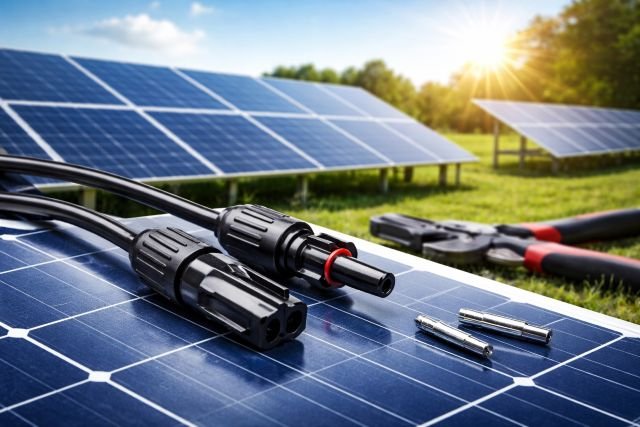
MC connectors, short for Multi-Contact connectors (commonly MC4), are specialized electrical connectors designed specifically for solar photovoltaic (PV) systems. They connect solar panels to each other and to inverters, ensuring seamless electricity flow.
These connectors are widely used because they are:
- Weather-resistant
- Easy to install
- Designed for long-term outdoor use
According to the International Renewable Energy Agency (IRENA), solar PV installations have grown exponentially over the past decade, making standardized components like mc connectors critical for scalability and safety.
Why MC Connectors Are Essential for Solar Systems
1. Ensuring Safe Electrical Connections
Safety is one of the biggest reasons mc connectors are used in solar setups. Solar panels generate direct current (DC), which can be dangerous if not handled properly.
MC connectors are designed with:
- Locking mechanisms that prevent accidental disconnection
- Insulated housings to reduce electric shock risk
- Compliance with international safety standards like IEC 62852
A poorly connected system can lead to arcing, overheating, or even fire hazards. MC connectors eliminate these risks by providing secure and stable connections.
2. Weather Resistance and Durability
Solar systems are exposed to harsh environmental conditions such as rain, heat, UV radiation, and dust. MC connectors are built to withstand these elements.
They typically feature:
- IP67 or IP68 waterproof ratings
- UV-resistant materials
- Temperature tolerance from -40°C to +90°C
This durability ensures that your solar setup continues to operate efficiently for decades without connector failure.
3. Easy Installation and Maintenance
One of the biggest advantages of mc connectors is their plug-and-play design. Installers can quickly connect solar panels without complex wiring.
This simplicity:
- Reduces installation time
- Minimizes human error
- Lowers labor costs
For example, in residential solar installations, technicians can complete wiring significantly faster compared to traditional junction box methods.
4. Improved System Efficiency
Efficiency is critical in solar energy systems. Any energy loss due to poor connections can reduce overall output.
MC connectors ensure:
- Low contact resistance
- Stable current flow
- Minimal energy loss
According to the U.S. Department of Energy, improving connection efficiency can significantly enhance overall system performance.
5. Standardization Across the Industry
MC connectors have become an industry standard, particularly MC4 connectors. This means:
- Compatibility across different solar panel brands
- Easier system expansion
- Simplified maintenance and replacements
Standardization also ensures that installers and engineers can work efficiently without worrying about mismatched components.
How MC Connectors Work
MC connectors consist of male and female ends that snap together securely. Once connected, they create a sealed electrical pathway that protects against environmental factors.
The internal metal contacts ensure efficient conductivity, while the outer casing provides insulation and durability.
When properly installed:
- They cannot be disconnected without a special tool
- They maintain consistent electrical performance over time
This design makes them both secure and user-friendly.
Key Features of High-Quality MC Connectors
1. High Current and Voltage Capacity
Modern mc connectors can handle:
- Up to 1500V DC
- High current loads suitable for large solar arrays
This makes them suitable for both residential and commercial installations.
2. Locking Mechanism for Safety
The built-in locking system prevents accidental unplugging, which is crucial in high-voltage systems.
3. Corrosion Resistance
High-quality connectors use materials that resist corrosion, ensuring longevity even in humid or coastal environments.
Common Applications of MC Connectors
MC connectors are used in various solar applications, including:
- Residential rooftop solar systems
- Commercial solar installations
- Solar farms and utility-scale projects
- Off-grid and portable solar setups
For example, in off-grid cabins, mc connectors allow quick setup and disconnection of solar panels, making them highly versatile.
MC Connectors vs Other Connector Types
While there are other connector types available, mc connectors outperform them in several ways:
- Better weatherproofing
- Higher safety standards
- Easier installation
Older connector systems often lack the durability and efficiency required for modern solar applications.
Common Mistakes to Avoid When Using MC Connectors
Even though mc connectors are reliable, improper use can lead to issues.
Incorrect Crimping
Poor crimping can result in loose connections, leading to energy loss or overheating.
Mixing Different Connector Brands
Not all MC connectors are fully compatible across brands, even if they look similar. Always verify compatibility.
Improper Installation
Failing to fully lock connectors can compromise safety and performance.
Real-World Example: Solar Farm Efficiency
In a large-scale solar farm in California, engineers replaced outdated connectors with mc connectors. The result was:
- Reduced maintenance costs
- Improved energy output
- Enhanced system reliability
This highlights how even small components can significantly impact overall system performance.
Why “MC Connectors” Matter in Search
The term mc connectors is widely searched by solar installers, DIY enthusiasts, and engineers. Including this keyword naturally across headings, content, and meta descriptions helps improve visibility and ranking.
For example:
- “Best mc connectors for solar panels”
- “How to install mc connectors”
- “Are mc connectors waterproof?”
Optimizing for these queries increases the chances of appearing in featured snippets.
FAQ: MC Connectors Explained
What are MC connectors used for?
MC connectors are used to connect solar panels and other components in a photovoltaic system, ensuring safe and efficient electricity flow.
Are MC connectors waterproof?
Yes, most mc connectors are rated IP67 or higher, making them highly resistant to water and dust.
Can I reuse MC connectors?
While possible, it is generally recommended to use new connectors to ensure optimal performance and safety.
Do all solar panels use MC connectors?
Most modern solar panels use MC4 connectors, which are the industry standard.
Expert Tips for Choosing the Right MC Connectors
When selecting mc connectors for your solar setup:
- Choose certified connectors that meet IEC standards
- Ensure compatibility with your solar cables
- Invest in quality crimping tools for proper installation
These steps can significantly enhance the longevity and efficiency of your system.
Conclusion
In conclusion, mc connectors are a vital component in every solar setup, ensuring safety, efficiency, and durability. From secure electrical connections to weather resistance and ease of installation, their benefits make them indispensable in modern photovoltaic systems.
Whether you’re a homeowner installing solar panels or a professional managing large-scale projects, investing in high-quality mc connectors is essential for long-term performance and peace of mind.