



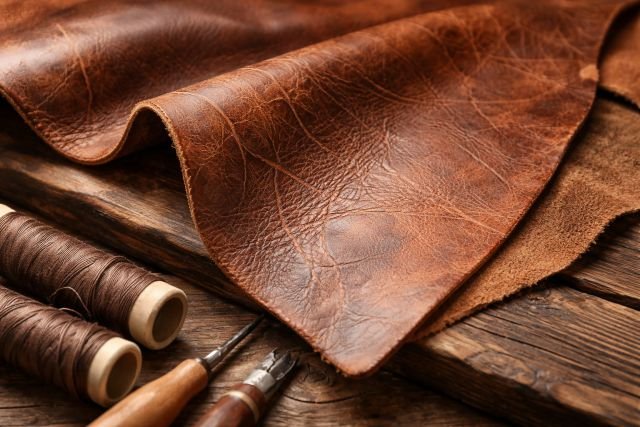
When it comes to premium leather, perfection isn’t always the goal. In fact, some of the most sought-after leather products proudly display natural imperfections. One of the most misunderstood yet valuable features is growth marks in leather. These subtle lines and patterns are not flaws — they are proof of authenticity, durability, and quality.
- What Are Growth Marks in Leather?
- Why Growth Marks in Leather Indicate Authenticity
- The Connection Between Growth Marks and Leather Quality
- Why Imperfections Increase Value in Premium Leather
- Growth Marks vs. Other Leather Imperfections
- How Growth Marks Affect Leather Durability
- The Role of Tanning in Preserving Growth Marks
- Consumer Perception: Why Buyers Value Natural Leather
- Common Myths About Growth Marks in Leather
- How to Identify Genuine Growth Marks in Leather
- Real-World Example: Luxury Leather Goods
- Caring for Leather with Growth Marks
- Conclusion: Why Growth Marks in Leather Truly Matter
Within the first glance, many buyers assume that smooth, uniform leather is superior. However, experts and artisans often prefer hides with visible growth marks because they tell a story. These marks reflect the life of the animal and indicate minimal processing, which ultimately enhances the leather’s value.
In this comprehensive guide, we’ll explore what growth marks in leather are, why they matter, and how they influence quality, pricing, and consumer perception.
What Are Growth Marks in Leather?
Growth marks in leather are natural markings that appear on animal hides due to rapid growth, stretching, or changes in body size over time. They are most commonly found in areas like the belly or shoulder, where the skin experiences the most movement.
These marks resemble faint lines, wrinkles, or stretch patterns and are especially visible in full-grain and top-grain leather. Unlike scars or cuts, growth marks are not damage — they are part of the hide’s natural structure.
According to the Leather Working Group (LWG), natural markings like growth lines are a key indicator of genuine leather, especially when the material has undergone minimal correction or sanding.
Why Growth Marks in Leather Indicate Authenticity
One of the biggest reasons growth marks are valued is because they signal authenticity. In an industry flooded with synthetic and heavily processed materials, natural imperfections help distinguish real leather from imitations.
Manufacturers of corrected or bonded leather often sand away these marks to create a uniform appearance. While this may look visually appealing, it strips away the leather’s natural character and reduces its quality.
Full-grain leather, widely regarded as the highest quality, retains all natural markings, including growth marks. This is why luxury brands often embrace these features instead of hiding them.
The Connection Between Growth Marks and Leather Quality
Growth marks in leather are often associated with higher-quality hides, particularly full-grain leather. This type of leather is taken from the top layer of the hide and remains largely untouched during processing.
Because it is not heavily treated, full-grain leather maintains its natural fibers, making it stronger and more durable. Growth marks are simply part of this unaltered surface.
Research from the University of Cincinnati’s Materials Science department highlights that minimally processed leather retains up to 30% more tensile strength compared to corrected leather.
Why Imperfections Increase Value in Premium Leather
At first, it may seem counterintuitive that imperfections like growth marks increase value. However, in the world of craftsmanship, uniqueness is highly prized.
Each leather hide is different. Growth marks ensure that no two products are identical, which adds exclusivity. This uniqueness is especially important in luxury goods such as handbags, belts, and wallets.
Brands like Hermès and Saddleback Leather emphasize natural characteristics in their products, showcasing them as proof of authenticity rather than defects. This approach aligns with consumer demand for transparency and sustainability.
Growth Marks vs. Other Leather Imperfections
Not all marks on leather are equal, and it’s important to distinguish growth marks from other types of imperfections.
Growth marks are natural and occur during the animal’s life. They are typically smooth and integrated into the grain.
Scars, on the other hand, may result from injuries or environmental factors. While they can also add character, they are often more pronounced.
Artificial marks or embossing are created during manufacturing and lack the organic feel of real growth patterns.
Understanding these differences helps buyers make informed decisions and appreciate the value of natural leather.
How Growth Marks Affect Leather Durability
One of the biggest advantages of growth marks in leather is that they do not weaken the material. In fact, they are often found in high-quality hides that are more resilient.
Because these marks are part of the natural grain, they do not compromise the structural integrity of the leather. Instead, they coexist with strong fiber networks that enhance durability.
High-quality leather with growth marks can last decades if properly cared for. This longevity makes it a worthwhile investment, especially for everyday items like bags and footwear.
The Role of Tanning in Preserving Growth Marks
The tanning process plays a crucial role in whether growth marks remain visible. Vegetable tanning, in particular, is known for preserving natural features.
Unlike chrome tanning, which can mask imperfections, vegetable tanning enhances the leather’s organic look. Over time, the leather develops a patina, making growth marks even more prominent and visually appealing.
Consumer Perception: Why Buyers Value Natural Leather
Modern consumers are becoming more conscious of quality, sustainability, and authenticity. This shift has increased the demand for leather products that showcase natural features like growth marks.
Buyers are no longer just looking for flawless finishes. They want products that tell a story and reflect craftsmanship.
Growth marks in leather serve as a visual reminder that the material is genuine and not mass-produced. This perception significantly influences purchasing decisions, especially in the premium market segment.
Common Myths About Growth Marks in Leather
There are several misconceptions surrounding growth marks that can lead to confusion among buyers.
One common myth is that these marks indicate poor quality. In reality, they are often found in the highest grades of leather.
Another misconception is that growth marks will worsen over time. While leather does age, these marks typically become more blended and aesthetically pleasing rather than deteriorating.
Some people also believe that flawless leather is always better. However, perfectly smooth leather is often heavily processed, which reduces its durability and authenticity.
How to Identify Genuine Growth Marks in Leather
Recognizing authentic growth marks requires a close look at the leather’s surface.
Genuine growth marks appear subtle and irregular. They do not follow a uniform pattern and are integrated into the grain.
When you touch the leather, these marks should feel smooth rather than raised or artificial.
Lighting can also help reveal natural markings. High-quality leather often shows variations in tone and texture, which are signs of authenticity.
Real-World Example: Luxury Leather Goods
Luxury brands often highlight growth marks as a selling point. For example, handcrafted leather bags made from full-grain hides frequently display natural lines and textures.
These features are not hidden but emphasized in product descriptions and marketing materials. This transparency builds trust with consumers and justifies higher price points.
In contrast, cheaper leather products often undergo heavy correction to remove imperfections, resulting in a uniform but less durable finish.
Caring for Leather with Growth Marks
Proper care is essential to maintain the beauty and longevity of leather with growth marks.
Regular conditioning helps keep the leather supple and prevents drying. Using high-quality leather conditioners can enhance the natural texture and make growth marks more visually appealing.
Avoid excessive exposure to water and direct sunlight, as these can damage the leather over time.
With proper care, leather products with growth marks can age gracefully, developing a rich patina that adds to their character.
Conclusion: Why Growth Marks in Leather Truly Matter
In the world of leather craftsmanship, perfection is not about uniformity — it’s about authenticity. Growth marks in leather are a testament to the material’s natural origin, durability, and uniqueness.
Rather than being flaws, these marks enhance the value of leather by proving that it has not been overly processed. They contribute to the strength, character, and long-term appeal of the product.
As consumers continue to prioritize quality and sustainability, the appreciation for natural leather features will only grow. Choosing leather with visible growth marks is not just a style preference — it’s an investment in authenticity and craftsmanship.