



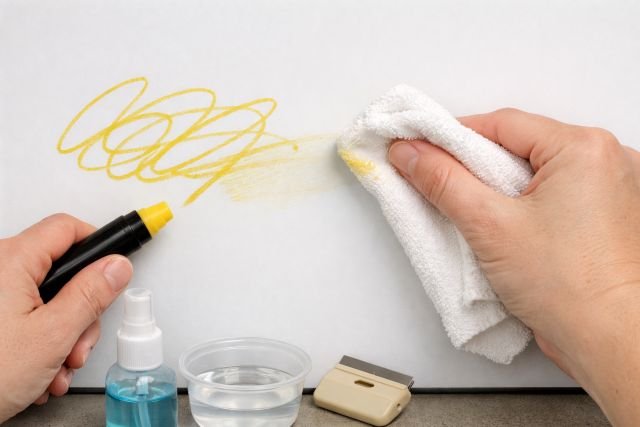
Grease marker stains can be incredibly stubborn, especially when they’ve been sitting for a while. Whether you’ve used a grease marker on glass, plastic, metal, or even painted surfaces, removing it without causing damage can feel tricky. The good news is that with the right techniques and materials, you can safely erase grease marker marks while preserving the integrity of the surface underneath.
- What Is a Grease Marker and Why Is It Hard to Remove?
- Best Methods to Remove Grease Marker Without Damage
- How to Remove Grease Marker from Different Surfaces
- Common Mistakes to Avoid
- Expert Tips for Safe and Effective Removal
- Are Commercial Cleaners Better?
- Frequently Asked Questions
- Real-World Example: Removing Grease Marker from a Kitchen Appliance
- Conclusion
In this detailed guide, you’ll learn exactly how to remove grease marker easily without damage, using both household solutions and professional techniques. These methods are safe, effective, and backed by cleaning experts.
What Is a Grease Marker and Why Is It Hard to Remove?
A grease marker, also known as a wax pencil or china marker, is designed to write on non-porous surfaces like glass, metal, ceramics, and plastic. Unlike regular ink, grease markers contain wax-based pigments that resist water and smudging.
This durability is exactly what makes them difficult to remove. The waxy composition adheres strongly to surfaces and doesn’t dissolve easily with plain water.
Best Methods to Remove Grease Marker Without Damage
Use Rubbing Alcohol (Isopropyl Alcohol)
Rubbing alcohol is one of the most effective and safest solutions for removing grease marker stains. It works by breaking down the wax and pigment without harming most surfaces.
Apply a small amount of isopropyl alcohol to a soft cloth or cotton pad and gently rub the stained area. You’ll notice the grease marker starting to dissolve almost immediately. Continue wiping until the mark disappears, then clean the area with mild soap and water.
This method works especially well on glass, metal, and plastic surfaces.
Try Vinegar and Warm Water
For a more natural approach, vinegar can help loosen grease marker stains. The mild acidity helps break down the residue without damaging delicate surfaces.
Mix equal parts white vinegar and warm water. Dip a cloth into the solution and gently wipe the marked area. This method is particularly useful for surfaces like whiteboards, tiles, and sealed countertops.
According to research published by the National Center for Biotechnology Information (NCBI), acetic acid (found in vinegar) is effective in dissolving certain organic compounds, including waxy residues.
Use Baking Soda Paste
Baking soda acts as a gentle abrasive, making it useful for removing stubborn grease marker stains without scratching surfaces.
Create a paste by mixing baking soda with a small amount of water. Apply it to the stain and gently rub using a soft cloth. Avoid excessive pressure, especially on delicate surfaces.
This method is ideal for ceramic, glass, and some plastics.
Apply WD-40 or Oil-Based Cleaners
Since grease marker is oil-based, using another oil can help dissolve it. WD-40 or similar lubricants work surprisingly well for this purpose.
Spray a small amount onto the stain and let it sit for a minute. Then wipe it off with a clean cloth. Follow up with soap and water to remove any oily residue.
Be cautious when using this method on painted or sensitive surfaces, as oils can sometimes affect finishes.
Use a Magic Eraser Carefully
Magic erasers (melamine foam) can remove grease marker stains effectively, but they should be used with caution.
Lightly dampen the eraser and gently rub the stain. Avoid scrubbing too hard, as the abrasive nature of the foam can dull or scratch certain finishes.
This method is best suited for durable surfaces like walls, tiles, and countertops.
How to Remove Grease Marker from Different Surfaces
Glass and Mirrors
Glass is one of the easiest surfaces to clean. Use rubbing alcohol or a glass cleaner with ammonia to dissolve the grease marker quickly. Wipe with a microfiber cloth to avoid streaks.
Plastic Surfaces
Plastic can be more sensitive to harsh chemicals. Use alcohol or vinegar solutions first. Avoid strong solvents that may cause discoloration or warping.
Painted Walls
For painted surfaces, always test in an inconspicuous area first. Use mild soap and water or a small amount of alcohol. Avoid abrasive tools to prevent paint damage.
Metal Surfaces
Metal is generally durable, making it safe to use alcohol, WD-40, or commercial cleaners. Finish with a clean, dry cloth to restore shine.
Whiteboards
Grease marker on whiteboards can be tricky. One effective trick is to draw over the grease marker with a dry-erase marker and then wipe it off. The solvents in the dry-erase ink help lift the grease.
Common Mistakes to Avoid
When trying to remove grease marker stains, many people accidentally make the situation worse. Using excessive force is one of the most common mistakes. Scrubbing too hard can damage surfaces, especially painted walls or delicate plastics.
Another mistake is using harsh chemicals like bleach without testing first. These can cause discoloration or permanent damage.
It’s also important not to delay cleaning. The longer a grease marker stain sits, the harder it becomes to remove.
Expert Tips for Safe and Effective Removal
Always start with the gentlest method and gradually move to stronger solutions if needed. This minimizes the risk of damage.
Use soft, lint-free cloths instead of rough sponges. Microfiber cloths are especially effective because they trap residue without scratching.
Test any cleaning solution on a hidden area before applying it to the stain. This ensures compatibility with the surface.
Work in small sections and avoid soaking the surface excessively, especially when dealing with wood or painted areas.
Are Commercial Cleaners Better?
Commercial cleaners designed for grease removal can be highly effective, but they’re not always necessary. Many household items like alcohol and vinegar work just as well.
However, for industrial or heavy-duty stains, specialized products may provide faster results. Always choose products labeled safe for your specific surface.
Frequently Asked Questions
What is the fastest way to remove grease marker?
The fastest method is using rubbing alcohol. It dissolves grease marker quickly and works on most surfaces without causing damage.
Can grease marker be removed with water?
No, grease marker is water-resistant due to its waxy composition. Water alone will not effectively remove it.
Will grease marker damage surfaces permanently?
In most cases, no. Grease marker can be removed completely if treated properly. However, improper cleaning methods can cause damage.
Is it safe to use acetone?
Acetone can remove grease marker but should be used cautiously. It may damage plastics, paint, or finishes.
Real-World Example: Removing Grease Marker from a Kitchen Appliance
Imagine writing labels on a stainless steel refrigerator using a grease marker. Over time, the marks become smudged and difficult to remove.
Using rubbing alcohol, you gently wipe the surface and watch the marks disappear within seconds. After cleaning with soap and water, the appliance looks as good as new without any scratches or discoloration.
This simple approach demonstrates how effective the right method can be.
Conclusion
Removing grease marker doesn’t have to be a frustrating task. With the right approach, you can eliminate stains and safely without damaging the surface. Whether you choose rubbing alcohol, vinegar, baking soda, or specialized cleaners, each method offers a reliable solution depending on the material you’re working with.
The key is to act quickly, use gentle techniques, and always test before applying any cleaning solution. By following these expert tips, you can confidently remove grease marker marks from any surface while keeping it in perfect condition.