



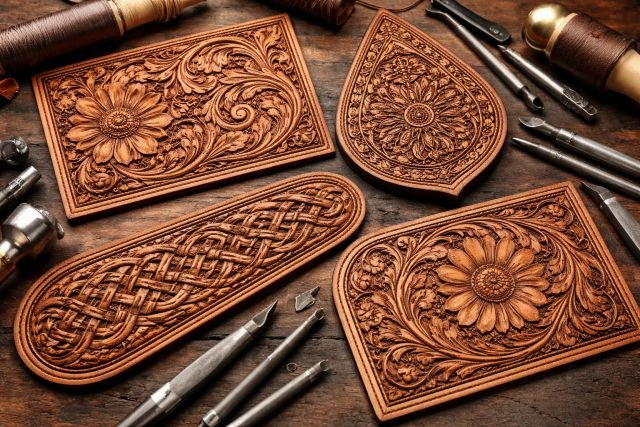
Leatherworking is more than just a craft—it’s an art form rooted in tradition, precision, and creativity. One of the most powerful ways to elevate your leather projects is through leather tooling patterns, which add depth, personality, and a professional finish to your work. Whether you’re crafting belts, wallets, saddles, or decorative panels, the right pattern can instantly transform a plain piece of leather into a stunning masterpiece.
- What Are Leather Tooling Patterns?
- Why Leather Tooling Patterns Matter
- Popular Leather Tooling Patterns That Elevate Your Craft
- How to Choose the Right Leather Tooling Pattern
- Tools and Techniques for Perfect Tooling
- Common Mistakes to Avoid
- Advanced Techniques to Upgrade Your Craft
- Real-World Example: Turning Simple Designs into Premium Products
- FAQs About Leather Tooling Patterns
- Tips for Creating Unique Leather Tooling Patterns
- Conclusion
In this guide, you’ll discover creative leather tooling patterns that can upgrade your craft, along with expert tips, real-world insights, and practical techniques to help you refine your skills.
What Are Leather Tooling Patterns?
Leather tooling patterns are pre-designed or custom layouts used to imprint designs into vegetable-tanned leather. These patterns guide your carving and stamping process, ensuring consistency and artistic appeal.
Tooling typically involves cutting, stamping, and shaping the leather surface using specialized tools. According to the , proper tooling enhances both durability and visual value, making it a cornerstone of high-quality leatherwork.
Why Leather Tooling Patterns Matter
Using well-designed leather tooling patterns does more than improve aesthetics. It increases the perceived value of your product, helps you maintain consistency across projects, and allows you to develop a recognizable style.
Hand-tooled leather goods often sell for significantly higher prices than plain items. This is because buyers associate intricate patterns with craftsmanship and authenticity. In competitive markets like Etsy or handmade goods stores, unique tooling can be the difference between a sale and a scroll.
Popular Leather Tooling Patterns That Elevate Your Craft
Floral Leather Tooling Patterns
Floral designs are among the most timeless and widely used leather tooling patterns. Inspired by Western and Sheridan-style carving, these patterns feature flowing vines, leaves, and flowers.
They are ideal for belts, wallets, and saddles because they create a natural, elegant look. The key to mastering floral patterns lies in smooth cuts and consistent beveling, which give the design depth and realism.
Floral tooling is especially popular in the United States, where Western-style leatherwork remains a strong tradition. According to industry insights, floral designs dominate handcrafted leather sales due to their universal appeal.
Geometric Leather Tooling Patterns
Geometric patterns offer a modern and structured aesthetic. These include repeating shapes such as diamonds, hexagons, and interlocking lines.
Unlike floral designs, geometric tooling requires precision and symmetry. Even minor inconsistencies can disrupt the overall look, so careful planning is essential.
These patterns are particularly popular in minimalist leather goods like cardholders and phone cases, where clean lines and contemporary design are preferred.
Basket Weave Patterns
Basket weave is one of the most recognizable leather tooling patterns. It mimics the appearance of woven materials and is created using a stamping technique.
This pattern is highly versatile and works well on belts, holsters, and saddlery. It also adds texture without overwhelming the design, making it a favorite among beginners.
Basket weave patterns are often used in functional items because they provide both grip and visual interest.
Celtic and Tribal Designs
Celtic knots and tribal patterns bring cultural richness and symbolism to leatherwork. These intricate designs often represent eternity, unity, or heritage.
They require advanced tooling skills due to their complexity, but the results are striking. These patterns are commonly used in custom leather goods, especially for clients looking for personalized or meaningful designs.
Custom and Personalized Patterns
Custom leather tooling patterns are where creativity truly shines. These can include initials, logos, or completely original artwork.
Personalized designs are highly sought after in the market. According to , customized products have seen consistent growth due to increasing demand for unique, one-of-a-kind items.
Creating your own patterns allows you to build a brand identity and stand out from competitors.
How to Choose the Right Leather Tooling Pattern
Selecting the right pattern depends on your project, skill level, and target audience. A complex floral design may look stunning on a saddle but could overwhelm a small wallet.
Beginners should start with simpler patterns like basket weave or basic geometric shapes. As your skills improve, you can experiment with more intricate designs.
It’s also important to consider the function of the item. For example, heavily tooled surfaces may not be suitable for items that require flexibility.
Tools and Techniques for Perfect Tooling
Creating high-quality leather tooling patterns requires the right tools and techniques. Essential tools include swivel knives, bevelers, backgrounders, and stamping tools.
Proper casing of leather is crucial. This involves moistening the leather to make it pliable, allowing for clean cuts and impressions.
Consistency is key. Maintaining even pressure and steady hand movements ensures that your pattern looks professional.
Experienced leatherworkers often emphasize practice. Repeating the same pattern multiple times helps develop muscle memory and precision.
Common Mistakes to Avoid
Many beginners struggle with over-tooling or inconsistent depth. Pressing too hard can damage the leather, while uneven pressure creates an unprofessional finish.
Another common mistake is poor pattern alignment. Always plan your layout before starting to ensure symmetry and balance.
Skipping practice is another pitfall. Even simple leather tooling patterns require repetition to master.
Advanced Techniques to Upgrade Your Craft
As you gain experience, you can incorporate advanced techniques such as shading, embossing, and multi-layered tooling.
Shading adds depth and realism, especially in floral designs. Embossing creates raised effects, making the pattern stand out.
Combining different leather tooling patterns in a single project can also create unique and visually striking results.
Real-World Example: Turning Simple Designs into Premium Products
Consider a plain leather wallet versus one with a detailed floral or geometric pattern. The latter not only looks more appealing but can also command a higher price.
Many professional leatherworkers report that adding tooling increases product value by up to 50% or more, depending on the complexity and craftsmanship.
This demonstrates how mastering leather tooling patterns can directly impact your business or hobby.
FAQs About Leather Tooling Patterns
What is the best leather for tooling?
Vegetable-tanned leather is the best choice because it absorbs moisture and holds impressions well.
Are leather tooling patterns suitable for beginners?
Yes, simple patterns like basket weave or basic geometric designs are perfect for beginners.
How long does it take to learn leather tooling?
Basic skills can be learned in a few weeks, but mastering intricate leather tooling patterns can take months or even years of practice.
Can I create my own leather tooling patterns?
Absolutely. Many artisans develop custom designs to differentiate their work and build a unique style.
Tips for Creating Unique Leather Tooling Patterns
Developing your own style takes time, but studying existing designs can provide inspiration. Sketching your ideas before tooling helps refine your vision.
Experimenting with different tools and techniques can lead to unexpected and creative results. Over time, you’ll develop a signature style that sets your work apart.
Consistency and patience are essential. Every project is an opportunity to improve your skills and explore new ideas.
Conclusion
Mastering leather tooling patterns is one of the most effective ways to elevate your leatherworking craft. From timeless floral designs to modern geometric styles, the right pattern can transform your projects and increase their value.
By practicing consistently, choosing the right designs, and experimenting with new techniques, you can develop a unique style that sets your work apart. Whether you’re a beginner or an experienced artisan, investing time in learning leather tooling patterns will pay off in both skill and creativity.