



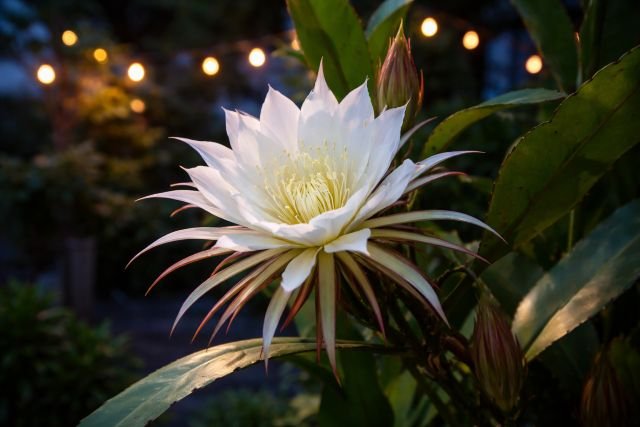
The queen of the night flower is one of the most fascinating and mysterious plants in the world. Known for its rare and short-lived blooms, this exotic cactus produces large, fragrant flowers that open only at night and wither by morning. This unique trait has made it a symbol of beauty, patience, and fleeting moments in many cultures.
- What Is the Queen of the Night Flower?
- Why Is the Queen of the Night Flower So Special?
- Ideal Growing Conditions for Queen of the Night Flower
- How to Plant Queen of the Night Flower
- Watering and Feeding Tips
- How to Encourage Blooming
- Common Problems and Solutions
- Benefits of Growing Queen of the Night Flower
- Frequently Asked Questions
- Real-World Growing Experience
- Conclusion
Gardeners and plant enthusiasts are often captivated by the queen of the night flower not just because of its rarity, but also because of the challenge and reward of growing it successfully. If you’ve ever wondered how to cultivate this extraordinary plant in your home or garden, this comprehensive guide will walk you through everything you need to know — from planting to blooming.
What Is the Queen of the Night Flower?
The queen of the night flower typically refers to plants in the Epiphyllum or Selenicereus genus, particularly Epiphyllum oxypetalum. It is a tropical cactus native to Central and South America, where it grows in humid forests, often attached to trees rather than rooted in soil like traditional plants.
Unlike desert cacti, this plant thrives in indirect light and higher humidity. Its most remarkable feature is its bloom cycle. The flowers can grow up to 12 inches wide and release a powerful, sweet fragrance that attracts nocturnal pollinators like moths and bats.
According to botanical studies published by organizations such as the Royal Horticultural Society, night-blooming cacti have evolved this blooming pattern as a survival strategy in ecosystems where daytime pollinators are scarce.
Why Is the Queen of the Night Flower So Special?
The rarity of the queen of the night flower comes from its unpredictable blooming schedule and the extremely short lifespan of its flowers. A single bloom may last only a few hours, making it a once-in-a-lifetime experience for many growers.
In many cultures, especially in South Asia, the blooming of this plant is considered auspicious. Some believe it brings good luck or symbolizes new beginnings. This cultural significance adds another layer of appeal to an already captivating plant.
Beyond symbolism, its fragrance is often compared to jasmine and gardenia, making it one of the most pleasantly scented night-blooming plants.
Ideal Growing Conditions for Queen of the Night Flower
Light Requirements
The queen of the night flower prefers bright but indirect sunlight. Direct sun exposure, especially in hot climates, can scorch its delicate leaves. Placing the plant near a window with filtered light or in a shaded outdoor area works best.
In tropical environments, it thrives under tree canopies, which replicate its natural habitat.
Temperature and Climate
This plant grows best in warm temperatures ranging between 18°C and 30°C. It is not frost-tolerant, so if you live in a colder region, it’s essential to keep it indoors during winter.
Humidity also plays a crucial role. Since it originates from rainforest environments, moderate to high humidity levels will encourage healthy growth.
Soil Preferences
Unlike typical cacti, the queen of the night flower requires well-draining but slightly rich soil. A mix of potting soil, perlite, and orchid bark works exceptionally well.
Good drainage is critical because waterlogged soil can lead to root rot, one of the most common issues faced by growers.
How to Plant Queen of the Night Flower
Planting this rare beauty is relatively straightforward, especially if you start with a cutting.
Begin by selecting a healthy stem cutting from a mature plant. Allow the cutting to dry for a few days so the cut end can callous over. This step helps prevent fungal infections when planted.
Once ready, place the cutting in a pot filled with well-draining soil. Water lightly and keep it in a warm, shaded area. Within a few weeks, roots will begin to develop.
Propagation through cuttings is the most reliable method, and many experienced gardeners recommend it over growing from seeds due to faster results.
Watering and Feeding Tips
Watering the queen of the night flower requires balance. The soil should be kept slightly moist but never soggy.
During the growing season, which typically spans spring and summer, water the plant when the top layer of soil feels dry. In winter, reduce watering significantly, as the plant enters a dormant phase.
Fertilizing once a month with a balanced liquid fertilizer can promote healthy growth. As the blooming season approaches, switching to a fertilizer higher in phosphorus can encourage flower production.
Research from agricultural extensions such as the University of Florida suggests that proper nutrient balance significantly increases flowering success in epiphytic cacti.
How to Encourage Blooming
One of the biggest challenges with the queen of the night flower is getting it to bloom. While the plant may grow lush foliage, flowering requires specific conditions.
The plant needs a period of cooler temperatures and reduced watering during winter to trigger blooming. This mimics its natural cycle and signals the plant to prepare for flowering.
Consistency is key. Sudden changes in environment, such as moving the plant frequently or altering light conditions, can delay or prevent blooming.
Patience is essential, as some plants may take several years before producing their first flower.
Common Problems and Solutions
Even though the queen of the night flower is relatively low-maintenance, it is not entirely free from issues.
Overwatering is the most common problem and often leads to root rot. Ensuring proper drainage and allowing the soil to dry between watering can prevent this.
Pests such as spider mites and mealybugs may occasionally appear. Regular inspection and gentle cleaning of leaves can help keep infestations under control.
Yellowing leaves can indicate either overwatering or insufficient nutrients, so adjusting care routines accordingly is important.
Benefits of Growing Queen of the Night Flower
Beyond its stunning blooms, this plant offers several benefits.
It enhances indoor air quality by absorbing toxins and releasing oxygen, especially at night. According to NASA’s Clean Air Study, certain plants can improve indoor air environments, and while not specifically listing this cactus, similar species have shown air-purifying properties.
It also serves as a conversation starter due to its rarity and dramatic blooming cycle. Many plant enthusiasts host gatherings to witness the bloom, turning it into a memorable social experience.
Frequently Asked Questions
How often does the queen of the night flower bloom?
The plant typically blooms once or twice a year, depending on growing conditions. Some mature plants may produce multiple blooms in a single season.
Why does the flower bloom only at night?
The queen of the night flower blooms at night to attract nocturnal pollinators like moths and bats. This evolutionary adaptation increases its chances of successful pollination.
Can it grow indoors?
Yes, the queen of the night flower can thrive indoors if provided with bright, indirect light and proper humidity levels.
How long does the flower last?
The bloom usually lasts for just one night, often opening after sunset and wilting by early morning.
Real-World Growing Experience
Many gardeners report that the first bloom of the queen of the night flower is an unforgettable moment. One grower described waiting three years before witnessing the plant bloom for the first time, only to see the flower open fully within a few hours.
This unpredictability adds to the plant’s charm. Unlike other flowering plants that offer regular blooms, this one rewards patience with a rare and spectacular display.
Conclusion
The queen of the night flower is truly a marvel of nature. Its rare nighttime blooms, intoxicating fragrance, and symbolic significance make it one of the most sought-after plants for enthusiasts and collectors alike.
Growing this plant requires patience, attention to detail, and an understanding of its unique needs. However, the reward of witnessing its breathtaking bloom makes every effort worthwhile.
Whether you are a beginner or an experienced gardener, adding the queen of the night flower to your collection can be a deeply satisfying experience. With the right care and environment, you too can enjoy the magic of this extraordinary plant.