



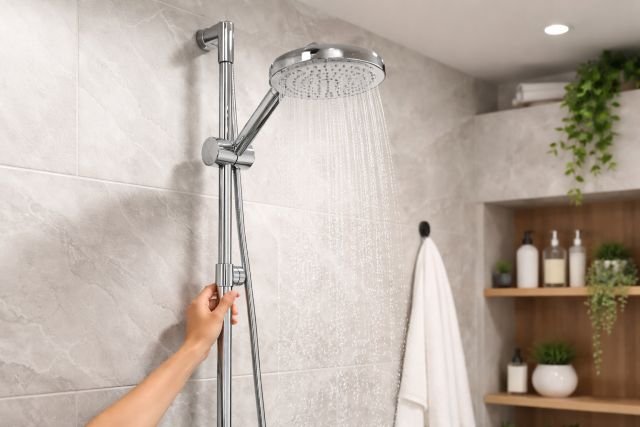
When designing or upgrading a bathroom, one often-overlooked detail is shower head height. Yet, this single measurement can significantly impact comfort, functionality, and even the overall aesthetics of your space. Whether you’re remodeling your bathroom or installing a new shower, understanding the correct shower head height ensures a more enjoyable and ergonomic experience.
- What Is the Standard Shower Head Height?
- Why Shower Head Height Matters
- Ideal Shower Head Height Based on User Height
- Shower Head Height for Different Shower Types
- Factors to Consider When Choosing Shower Head Height
- Shower Head Height and Bathroom Design
- Common Mistakes to Avoid
- How to Measure Shower Head Height Correctly
- Accessibility and Universal Design Considerations
- Real-World Example: A Practical Scenario
- FAQs About Shower Head Height
- Conclusion: Finding the Perfect Shower Head Height
In the first few moments you step into a shower, the height of the fixture determines how natural or awkward the experience feels. Too low, and you’ll find yourself bending; too high, and water pressure may feel weaker or misdirected. Getting it right is not just about comfort — it’s about smart design.
What Is the Standard Shower Head Height?
The standard shower head height typically falls between 72 inches (6 feet) and 80 inches (6 feet 8 inches) from the floor of the shower. This range accommodates the average height of most users while ensuring proper water flow coverage.
Most building codes and plumbing standards, such as those referenced by the International Residential Code (IRC), do not mandate an exact height but recommend practical placement based on usability and safety. You can explore more about residential building guidelines from the International Code Council at.
However, “standard” doesn’t always mean “ideal.” The perfect shower head height depends on the users’ height, shower type, and personal preferences.
Why Shower Head Height Matters
The importance of proper shower head height goes beyond basic convenience. It affects comfort, efficiency, and even long-term usability.
A poorly placed shower head can lead to uneven water distribution, causing discomfort during use. Taller individuals may struggle with low installations, while shorter users may find high-mounted heads impractical.
From a design perspective, the height also influences how visually balanced your bathroom appears. A well-positioned shower head aligns with tile patterns, glass enclosures, and overall layout, creating a more cohesive look.
Ideal Shower Head Height Based on User Height
To determine the perfect shower head height, a simple rule is to install it at least 8–12 inches above the tallest user’s height. This allows enough clearance for comfortable water flow without requiring awkward positioning.
For example, if the tallest user in your household is 5 feet 10 inches tall, the shower head should ideally be installed around 78 to 82 inches from the floor. This ensures that water falls naturally without needing adjustments.
In households with multiple users of varying heights, adjustable shower heads or handheld options provide flexibility. These modern solutions are increasingly popular in contemporary bathroom designs.
Shower Head Height for Different Shower Types
Fixed Shower Heads
Fixed shower heads are the most common type and are usually installed within the standard range. Since they cannot be adjusted, getting the height right during installation is crucial.
A fixed shower head installed too low can feel restrictive, especially for taller users. On the other hand, placing it too high may reduce water pressure due to increased distance.
Rainfall Shower Heads
Rainfall shower heads are designed to mimic natural rain, typically mounted directly overhead. The ideal shower head height for these fixtures is often higher than standard, usually around 84 inches or more.
Because they are ceiling-mounted or extended from the wall, proper height ensures full-body coverage and a luxurious experience. According to design experts at Houzz, rainfall showers are most effective when positioned directly above the user’s head.
Handheld Shower Heads
Handheld shower heads offer the most flexibility. They are mounted on a sliding bar, allowing users to adjust the height as needed.
For these systems, the mounting bar is usually installed between 48 and 72 inches, while the holder can be adjusted depending on the user. This makes them ideal for families, elderly users, and accessible bathrooms.
Factors to Consider When Choosing Shower Head Height
Several factors influence the ideal shower head height, and understanding them helps you make a more informed decision.
The height of the users is the most obvious factor. A one-size-fits-all approach rarely works, especially in households with varying heights.
The type of shower enclosure also matters. For example, walk-in showers often allow for higher placements, while enclosed showers may require alignment with existing plumbing.
Water pressure plays a subtle but important role. Higher placements can slightly reduce perceived pressure, especially in low-pressure systems. The U.S. Environmental Protection Agency (EPA) provides guidelines on water-efficient fixtures at.
Bathroom ceiling height is another key consideration. In bathrooms with lower ceilings, installing the shower head too high may not be practical or visually appealing.
Shower Head Height and Bathroom Design
The shower head height is not just a functional detail — it’s a design element that contributes to the overall look of your bathroom.
A well-positioned shower head aligns with tile layouts, accent walls, and fixtures. For instance, placing the shower head at a height that complements tile patterns creates a visually pleasing symmetry.
In modern bathrooms, designers often use higher placements to create a sense of openness and luxury. This is especially true in spa-inspired designs, where rainfall shower heads are mounted higher for a more immersive experience.
Lighting also interacts with shower height. Proper placement ensures that water flow is highlighted effectively, enhancing the ambiance of the space.
Common Mistakes to Avoid
One of the most common mistakes is sticking strictly to standard measurements without considering user needs. While 72 inches may work for some, it may not be suitable for taller individuals.
Another frequent issue is ignoring future needs. For example, installing a fixed shower head without considering accessibility can limit usability over time.
Improper alignment with plumbing can also lead to costly adjustments later. It’s always best to plan the shower head height during the early stages of renovation.
How to Measure Shower Head Height Correctly
Measuring the correct shower head height requires attention to detail. Start by measuring from the finished shower floor, not the subfloor.
Consider the height of the tallest user and add 8–12 inches. Mark this point and ensure it aligns with your plumbing layout.
If you’re installing a rainfall shower head, measure from the ceiling or planned mounting point. Ensure there is enough clearance for comfortable use.
Taking accurate measurements during installation prevents costly rework and ensures optimal performance.
Accessibility and Universal Design Considerations
Accessibility is becoming an essential aspect of modern bathroom design. The right shower head height plays a crucial role in creating an inclusive space.
For accessible showers, handheld shower heads are often recommended. These allow users to adjust the height according to their needs, making them suitable for individuals with mobility challenges.
The Americans with Disabilities Act (ADA) provides guidelines for accessible bathroom fixtures, which you can review at.
Incorporating adjustable features ensures that your bathroom remains functional for all users, regardless of age or ability.
Real-World Example: A Practical Scenario
Imagine a family of four with varying heights. The tallest member is 6 feet tall, while the shortest is 5 feet 2 inches.
Installing a fixed shower head at 72 inches would be uncomfortable for the taller individual. Instead, placing it at around 80 inches and adding a handheld option creates a balanced solution.
This approach ensures that everyone can use the shower comfortably without compromising on design or functionality.
FAQs About Shower Head Height
What is the ideal shower head height for most homes?
The ideal shower head height is typically between 72 and 80 inches, depending on user height and preferences.
Can I install a shower head higher than 80 inches?
Yes, especially for rainfall shower heads. Just ensure adequate water pressure and ceiling clearance.
Does shower head height affect water pressure?
Slightly. Higher placements may reduce perceived pressure, but this is usually minimal in modern plumbing systems.
What is the best option for families with different heights?
An adjustable or handheld shower head is the most practical solution.
Conclusion: Finding the Perfect Shower Head Height
Choosing the right shower head height is a small decision that makes a big difference. It impacts comfort, usability, and the overall design of your bathroom.
By considering user height, shower type, and design preferences, you can create a space that feels both functional and luxurious. Whether you opt for a standard fixed shower head or a modern rainfall system, the key is thoughtful planning.
Ultimately, the perfect shower head height is one that meets your needs while enhancing your daily routine. Take the time to measure carefully, consider your options, and invest in a setup that delivers comfort and style for years to come.