



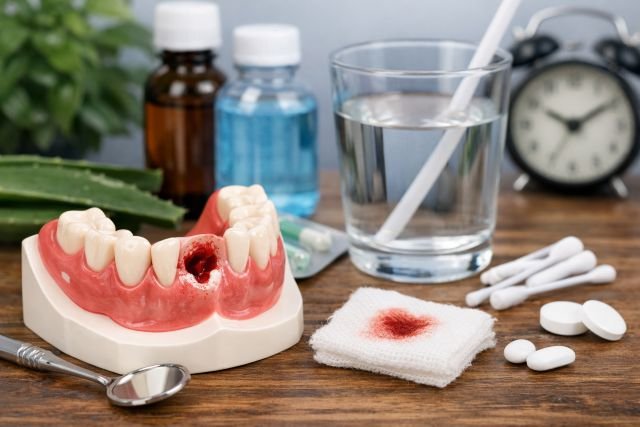
Tooth extraction is a common dental procedure, but sometimes complications occur during healing. One of the most uncomfortable complications is dry socket, also known as alveolar osteitis. A question many patients ask is: can dry socket heal on its own?
- What Is Dry Socket?
- Can Dry Socket Heal on Its Own?
- Symptoms of Dry Socket
- Why Dry Socket Happens After Tooth Extraction
- How Long Does Dry Socket Take to Heal?
- Safe Healing Tips After Extraction
- Professional Treatments for Dry Socket
- Home Remedies for Dry Socket Pain Relief
- When to See a Dentist
- How to Prevent Dry Socket After Tooth Extraction
- FAQ: Can Dry Socket Heal on Its Own?
- Conclusion: Can Dry Socket Heal on Its Own?
The short answer is yes, dry socket can heal on its own, but the process may be painful and slow without proper care. Most dentists recommend treatment to reduce pain, prevent infection, and speed up recovery.
In this comprehensive guide, we’ll explore how dry socket develops, whether it can heal naturally, how long recovery takes, and safe healing tips after tooth extraction.
What Is Dry Socket?
Dry socket is a painful dental condition that occurs after a tooth extraction when the blood clot at the extraction site becomes dislodged or fails to form.
Normally, a blood clot protects the bone and nerves in the empty socket while the tissue heals. When that clot disappears, the underlying bone becomes exposed.
According to the American Dental Association (ADA), dry socket occurs in approximately 2–5% of routine tooth extractions and up to 30% of wisdom tooth removals.
The exposed bone causes severe pain and slows the healing process.
Can Dry Socket Heal on Its Own?
Yes, But It May Take Longer
Technically, dry socket can heal on its own, because the body will eventually form new tissue and close the wound.
However, without treatment:
- Pain can last 7–10 days or longer
- Healing may take several weeks
- Risk of infection increases
- Daily activities like eating and sleeping become difficult
Most dentists recommend professional treatment to relieve pain and accelerate healing.
What Happens During Natural Healing?
If untreated, the body gradually fills the socket with granulation tissue, which eventually forms new gum tissue over the bone.
The stages typically include:
- Inflammation phase
- Tissue regeneration
- Bone remodeling
- Gum closure
This process can take 2–4 weeks, depending on overall health and oral hygiene.
Symptoms of Dry Socket
Recognizing the symptoms early can help you get treatment before the condition worsens.
Common signs include:
- Severe pain 2–3 days after extraction
- Pain radiating to the ear, jaw, or temple
- Visible bone in the socket
- Bad breath or unpleasant taste
- Empty-looking extraction site
- Swollen lymph nodes
If you notice these symptoms, contact your dentist immediately.
According to the Mayo Clinic, pain from dry socket is usually more intense than normal post-extraction discomfort and may require dental care.
Why Dry Socket Happens After Tooth Extraction
Several factors can increase the risk of developing dry socket.
Blood Clot Disruption
The most common cause is loss of the protective blood clot, which exposes bone and nerves.
This may happen due to:
- Smoking or vaping
- Drinking through a straw
- Aggressive rinsing
- Touching the wound with fingers or tongue
Poor Oral Hygiene
Bacteria can interfere with clot formation and increase inflammation.
Hormonal Factors
Studies show women taking oral contraceptives may have a higher risk due to estrogen levels affecting clotting.
Traumatic Extractions
Complex procedures such as impacted wisdom teeth removal also raise the likelihood of dry socket.
How Long Does Dry Socket Take to Heal?
Healing time varies depending on treatment and personal health.
Typical recovery timelines include:
Without treatment:
- Pain may last 7–10 days
- Complete healing may take 3–4 weeks
With dental treatment:
- Pain relief often occurs within 24–48 hours
- Full healing typically occurs within 7–10 days
Dentists often use medicated dressings to promote faster healing.
Safe Healing Tips After Extraction
If you suspect dry socket or want to prevent it, proper aftercare is essential.
Follow Your Dentist’s Instructions
Post-extraction instructions are designed to protect the blood clot and prevent complications.
Always follow guidelines about eating, cleaning, and medications.
Avoid Smoking and Alcohol
Smoking significantly increases dry socket risk. Research shows smokers are three times more likely to develop it.
Nicotine reduces blood flow and delays healing.
Use Saltwater Rinses
After the first 24 hours, gently rinsing with warm saltwater can reduce bacteria and soothe the area.
A simple rinse solution includes:
- 1 cup warm water
- ½ teaspoon salt
Eat Soft Foods
Choose foods that won’t irritate the socket.
Examples include:
- Yogurt
- Mashed potatoes
- Scrambled eggs
- Smooth soups
Avoid crunchy or spicy foods.
Keep the Area Clean
Brush teeth carefully around the extraction site to avoid disturbing the clot.
Good oral hygiene helps prevent infection.
Professional Treatments for Dry Socket
Dentists use several treatments to manage pain and speed healing.
Medicated Dressings
A medicated gauze dressing is placed in the socket to protect bone and reduce pain.
These dressings may contain:
- Eugenol
- Antiseptics
- Pain-relieving agents
Irrigation
The dentist may clean the socket with saline or antiseptic solution to remove debris.
Pain Medication
Over-the-counter medications such as ibuprofen may be recommended to control discomfort.
In severe cases, prescription pain relievers may be used.
Antibiotics
Antibiotics are sometimes prescribed if infection is suspected.
Home Remedies for Dry Socket Pain Relief
While professional care is best, certain remedies can help manage symptoms.
Clove Oil
Clove oil contains eugenol, a natural anesthetic that can temporarily relieve pain.
Dentists often use it in dry socket dressings.
Cold Compress
Applying a cold pack to the jaw for 10–15 minutes can reduce swelling and numb pain.
Hydration
Drinking plenty of water supports tissue healing and prevents dry mouth.
When to See a Dentist
Even though dry socket can heal on its own, you should contact a dentist if:
- Pain becomes severe
- Pain spreads to the ear or jaw
- You see exposed bone
- Bad odor or pus appears
- Fever develops
Prompt treatment can prevent complications and reduce recovery time.
How to Prevent Dry Socket After Tooth Extraction
Preventive care is the best way to avoid this painful condition.
Avoid Straws
Suction can dislodge the blood clot.
Don’t Smoke
Dentists often recommend avoiding smoking for at least 72 hours after extraction.
Rest After Surgery
Physical exertion may increase bleeding and disrupt clot formation.
Maintain Oral Hygiene
Gently brushing and rinsing keeps bacteria under control.
FAQ: Can Dry Socket Heal on Its Own?
Can dry socket heal without treatment?
Yes, dry socket can heal on its own, but the healing process may take longer and involve significant pain.
How long does dry socket pain last?
Pain usually peaks 3–5 days after extraction and may last about 7–10 days without treatment.
Is dry socket dangerous?
Dry socket is rarely dangerous, but untreated pain and infection can cause complications.
What does dry socket look like?
The extraction site may appear empty with visible bone, instead of having a dark blood clot.
Does salt water help dry socket?
Yes, gentle saltwater rinses can help keep the socket clean and promote healing.
Conclusion: Can Dry Socket Heal on Its Own?
So, can dry socket heal on its own? The answer is yes — the body can eventually repair the extraction site naturally. However, the healing process may be slow and painful without dental treatment.
Most dentists recommend professional care to relieve discomfort, protect exposed bone, and speed recovery. With proper aftercare, most patients recover fully within one to two weeks.
If you suspect dry socket, contact your dentist promptly and follow safe healing practices to ensure a smooth recovery after extraction.