


Owning a swimming pool is a luxury that comes with ongoing maintenance responsibilities. One of the most overlooked yet essential aspects of pool care is maintaining the correct water level. This is where an automatic pool filler becomes a game-changing solution for homeowners and pool managers.
- What Is an Automatic Pool Filler?
- Why Maintaining the Right Pool Water Level Matters
- How an Automatic Pool Filler Works
- Types of Automatic Pool Fillers
- Benefits of Installing an Automatic Pool Filler
- Signs Your Pool Needs an Automatic Pool Filler
- Automatic Pool Filler Installation: What to Expect
- Maintenance Tips for Automatic Pool Fillers
- Automatic Pool Fillers vs Manual Pool Filling
- Smart Pool Technology and Automatic Fillers
- Cost of Installing an Automatic Pool Filler
- FAQ: Automatic Pool Filler
- Final Thoughts: Why an Automatic Pool Filler Is a Smart Investment
An automatic pool filler is designed to monitor and maintain your pool’s water level automatically. Instead of manually adding water whenever evaporation lowers the level, the device ensures your pool stays perfectly balanced without constant supervision. This small but powerful system can prevent costly equipment damage, reduce maintenance time, and keep your pool ready for use at all times.
In this comprehensive guide, we’ll explore how automatic pool fillers work, why they are essential, and how they can dramatically improve your pool maintenance routine.
What Is an Automatic Pool Filler?
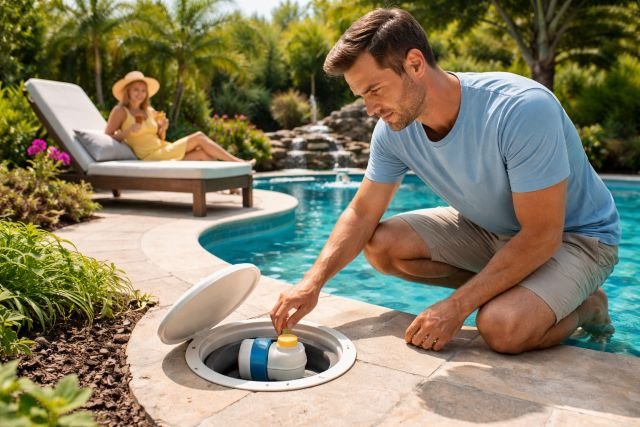
An automatic pool filler is a device that automatically adds water to your swimming pool when the water level drops below a preset level. It works similarly to a toilet tank float valve, regulating the water flow through a connected water line.
When the water level falls due to evaporation, splash-out, or backwashing, the float mechanism detects the drop and opens a valve to allow fresh water into the pool. Once the water reaches the desired level, the valve shuts off automatically.
This system helps maintain consistent water levels without the need for manual monitoring.
According to the Pool & Hot Tub Alliance, evaporation alone can cause pools to lose ¼ to ½ inch of water per day during hot weather. Maintaining the proper water level is essential for both safety and equipment performance.
Why Maintaining the Right Pool Water Level Matters
Keeping your pool water at the correct level is more important than many pool owners realize.
Protects Pool Equipment
If the water level drops too low, the pool pump can begin pulling in air instead of water. This process, known as pump cavitation, can damage pumps, filters, and heaters.
Repairing or replacing pool equipment can cost hundreds or even thousands of dollars. An automatic filler helps prevent this risk by maintaining stable water levels.
Keeps the Skimmer Working Properly
Pool skimmers rely on the correct water level to capture debris effectively. When the water drops too low, the skimmer stops working efficiently, allowing leaves, insects, and dirt to remain in the pool.
Maintaining a consistent level ensures the skimmer functions as intended.
Maintains Water Chemistry Balance
Every time water evaporates, minerals and chemicals remain behind, which can affect pool chemistry. When water levels fluctuate frequently, balancing chemicals becomes more difficult.
A steady water level makes it easier to maintain proper pH, chlorine, and alkalinity levels.
How an Automatic Pool Filler Works
Understanding how an automatic pool filler operates can help you appreciate its simplicity and effectiveness.
Most automatic pool fillers consist of three main components:
• A float mechanism
• A water supply line
• A valve control system
When the water level drops, the float lowers and activates the valve. Water flows through the supply line into the pool until the float rises back to its preset position.
Once the correct level is reached, the valve shuts off automatically.
Some modern systems include electronic sensors that monitor water levels with even greater precision.
Types of Automatic Pool Fillers
There are several types of automatic pool fillers available on the market, each designed for different pool setups.
Mechanical Float Valve Fillers
These are the most common and affordable systems. They rely on a float valve similar to those used in toilet tanks.
Mechanical fillers are reliable, simple to install, and require minimal maintenance.
Electronic Pool Water Levelers
Electronic fillers use sensors instead of floats. They detect water levels electronically and trigger the water supply when needed.
These systems are often more precise and can integrate with smart pool automation systems.
Built-In Pool Fill Systems
Some modern pools are designed with built-in water leveling systems installed during construction. These systems are hidden within the pool deck and connect directly to the plumbing system.
They offer a clean appearance and seamless operation.
Benefits of Installing an Automatic Pool Filler
Pool owners often underestimate the impact a small device like this can have on overall pool maintenance.
Saves Time and Effort
Without an automatic filler, pool owners must manually check water levels frequently. This task can become tedious, especially during hot summer months.
An automatic system eliminates the need for constant monitoring.
Prevents Equipment Damage
Low water levels can damage pool pumps and filtration systems. Maintaining the proper level protects expensive equipment.
According to the U.S. Department of Energy, efficient pool pump operation depends heavily on maintaining proper water circulation.
Improves Pool Safety
A consistent water level helps maintain proper skimmer operation and reduces the risk of pump failure.
Reduces Water Waste
Manual filling often leads to overfilling. Automatic fillers deliver only the amount of water needed.
This helps conserve water while maintaining optimal levels.
Signs Your Pool Needs an Automatic Pool Filler
If you constantly find yourself adding water to your pool, installing an automatic system may be worth considering.
Common signs include:
Frequent evaporation issues during hot weather
Pool pump making unusual noises due to low water
Skimmer not functioning properly
Constant manual refilling
These problems often indicate inconsistent water levels.
Automatic Pool Filler Installation: What to Expect
Installing an automatic pool filler is generally straightforward, though the complexity can vary depending on the pool’s plumbing setup.
The process typically involves connecting the filler device to a pressurized water line and installing it near the pool or within the deck.
Many homeowners choose to hire professional pool technicians to ensure proper installation and compliance with local plumbing codes.
However, some mechanical float valve models can be installed as DIY projects.
Maintenance Tips for Automatic Pool Fillers
While automatic fillers require minimal maintenance, periodic inspection helps ensure optimal performance.
Check the float mechanism regularly to make sure it moves freely. Debris buildup can interfere with the system’s operation.
It is also important to inspect the water supply line for leaks or mineral buildup.
Cleaning the system occasionally prevents clogging and keeps the valve functioning properly.
Most manufacturers recommend seasonal inspections to extend the life of the equipment.
Automatic Pool Fillers vs Manual Pool Filling
Manual pool filling may seem simple, but it often leads to inconsistent water levels.
When pool owners forget to refill their pool, the water level can drop too low and affect circulation systems.
On the other hand, overfilling the pool can dilute chemicals and waste water.
An automatic pool filler eliminates these problems by maintaining a precise and consistent water level.
This consistency improves overall pool performance and reduces maintenance tasks.
Smart Pool Technology and Automatic Fillers
As pool technology continues to evolve, many homeowners are integrating automatic fillers into smart pool management systems.
These systems allow users to monitor water levels, pump performance, and chemical balance through mobile apps.
Some advanced systems can even send alerts when unusual water loss occurs, helping detect leaks early.
Smart automation is becoming an increasingly popular solution for modern pool owners.
Cost of Installing an Automatic Pool Filler
The cost of an automatic pool filler varies depending on the type of system and installation complexity.
Basic mechanical fillers typically cost between $50 and $200, while electronic systems can range from $200 to $700 or more.
Professional installation may add additional costs depending on plumbing requirements.
Despite the initial investment, many pool owners find that the convenience and equipment protection make it worthwhile.
FAQ: Automatic Pool Filler
What does an automatic pool filler do?
An automatic pool filler automatically maintains the proper water level in a swimming pool by adding water when levels drop due to evaporation or splash-out.
Are automatic pool fillers worth it?
Yes. They save time, prevent equipment damage, and maintain consistent water levels, making pool maintenance easier and more efficient.
Can I install an automatic pool filler myself?
Some mechanical float valve systems can be installed by homeowners, but complex systems may require professional installation.
How long do automatic pool fillers last?
With proper maintenance, most automatic pool fillers can last 5 to 10 years or longer depending on the model and water conditions.
Final Thoughts: Why an Automatic Pool Filler Is a Smart Investment
Maintaining the perfect water level is one of the most important aspects of pool care, yet it’s often overlooked. Installing an automatic pool filler ensures that your pool remains properly balanced at all times without constant attention.
By preventing equipment damage, stabilizing water chemistry, and reducing manual maintenance, an automatic pool filler offers both convenience and long-term savings.
Whether you are a new pool owner or an experienced one looking to simplify your maintenance routine, investing in an automatic pool filler is one of the smartest upgrades you can make for a healthier, hassle-free swimming pool.