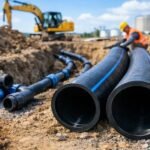



Proper hose and handling practices are essential in industries such as manufacturing, construction, agriculture, firefighting, and chemical processing. Hoses are responsible for transporting fluids, gases, chemicals, and compressed air — often under high pressure. When hoses are mishandled, they can fail, leak, or cause serious workplace injuries.
- Why Proper Hose and Handling Matters
- Tip #1: Choose the Right Hose for the Application
- Tip #2: Train Employees in Proper Hose Handling
- Tip #3: Inspect Hoses Regularly
- Tip #4: Store Hoses Correctly
- Tip #5: Avoid Excessive Bending and Twisting
- Tip #6: Protect Hoses from Abrasion and Impact
- Tip #7: Manage Pressure Carefully
- Tip #8: Use Proper Hose Connections and Fittings
- Tip #9: Replace Worn or Damaged Hoses Immediately
- Tip #10: Implement a Hose Safety Management Program
- Real-World Example: Hose Safety in Manufacturing
- Frequently Asked Questions About Hose and Handling
- Conclusion
According to the U.S. Occupational Safety and Health Administration (OSHA), improper equipment handling is a major contributor to workplace accidents across industrial environments. Damaged hoses, poor storage practices, and incorrect connections can lead to costly downtime and safety risks.
By understanding the fundamentals of hose and handling, businesses can significantly improve operational efficiency, extend equipment lifespan, and protect workers from avoidable hazards.
Why Proper Hose and Handling Matters
Industrial hoses are exposed to extreme conditions including pressure, temperature changes, chemical exposure, abrasion, and constant movement. Without proper handling techniques, even the highest-quality hose systems can deteriorate quickly.
Effective hose and handling practices help organizations:
- Reduce workplace injuries
- Prevent costly hose failures
- Extend equipment lifespan
- Improve operational productivity
- Maintain compliance with safety standards
The National Institute for Occupational Safety and Health (NIOSH) reports that equipment failures caused by poor maintenance and handling account for thousands of workplace incidents annually.
Proper training and awareness can drastically reduce these risks.
Tip #1: Choose the Right Hose for the Application
One of the most common causes of hose failure is using the wrong type of hose.
Different hoses are designed for different materials and operating conditions. Selecting the wrong hose can result in leaks, ruptures, or chemical reactions.
When selecting a hose, consider:
- Pressure rating
- Temperature range
- Chemical compatibility
- Flexibility requirements
- Environmental conditions
For example, hydraulic hoses used in construction equipment must withstand extremely high pressure, while food-grade hoses in processing plants must meet strict hygiene standards.
The Hose Safety Institute emphasizes that selecting the correct hose type is the first step in safe hose management.
Tip #2: Train Employees in Proper Hose Handling
Even the best equipment can become dangerous if workers don’t know how to handle it correctly.
Training programs should cover:
- Safe connection and disconnection
- Pressure release procedures
- Proper lifting techniques
- Avoiding twisting or kinking hoses
- Emergency shutdown procedures
Workers should also understand warning signs of hose damage such as:
- Bulges
- Cracks
- Soft spots
- Leaks
According to the International Association of Drilling Contractors, regular equipment safety training can reduce equipment-related accidents by up to 30%.
Proper hose and handling training ensures employees can identify hazards before they escalate into major problems.
Tip #3: Inspect Hoses Regularly
Routine inspections are critical for maintaining safe hose systems.
Before each use, workers should visually inspect hoses for signs of damage or wear.
Key inspection points include:
- Hose fittings
- Outer cover abrasion
- Internal pressure damage
- Leakage at connections
- Deformation or blistering
Companies that implement preventive maintenance programs often experience fewer equipment failures and lower operational costs.
OSHA recommends routine equipment inspections to detect potential hazards early.
Tip #4: Store Hoses Correctly
Improper storage can shorten hose lifespan significantly.
Hoses should never be left:
- Under direct sunlight
- In areas with extreme temperatures
- Near chemicals or solvents
- On sharp edges or rough surfaces
The best practice is to store hoses on hose reels or racks, which prevents kinks and protects the hose from environmental damage.
Proper storage also improves workplace organization and makes hoses easier to access.
Tip #5: Avoid Excessive Bending and Twisting
Hoses are designed to bend within certain limits, but excessive twisting or bending can weaken their internal structure.
Repeated stress can cause internal reinforcement layers to fail, leading to dangerous pressure leaks.
To prevent this:
- Maintain the recommended bend radius
- Avoid dragging hoses across rough surfaces
- Use swivel fittings where possible
This simple hose and handling best practice can dramatically increase hose durability.
Tip #6: Protect Hoses from Abrasion and Impact
Abrasion is one of the most common causes of hose failure.
In busy industrial environments, hoses may rub against equipment, floors, or sharp edges. Over time, this friction damages the outer layer and exposes internal reinforcement.
Solutions include:
- Protective sleeves
- Hose guards
- Elevated hose supports
Protective accessories can extend hose life and reduce replacement costs.
Tip #7: Manage Pressure Carefully
Operating hoses beyond their rated pressure is extremely dangerous.
High pressure can cause hose bursts that release energy and fluids with significant force. This can result in severe injuries or equipment damage.
Best practices include:
- Monitoring pressure levels
- Installing pressure regulators
- Using hoses with appropriate safety ratings
The Fluid Power Safety Institute reports that pressure-related hose failures are among the most common industrial hydraulic accidents.
Tip #8: Use Proper Hose Connections and Fittings
Incorrect fittings can compromise the entire hose system.
Connections must match the hose type, pressure rating, and material compatibility.
Common mistakes include:
- Mixing incompatible fittings
- Over-tightening connectors
- Using worn-out seals
Professional hose assemblies should follow manufacturer specifications to ensure safe operation.
Tip #9: Replace Worn or Damaged Hoses Immediately
Waiting too long to replace damaged hoses is a major safety risk.
A small leak can quickly turn into a catastrophic failure under pressure.
Signs that indicate immediate replacement include:
- Persistent leaks
- Cracking or brittleness
- Severe abrasion
- Bulging sections
Preventive replacement schedules are commonly used in industries such as oil and gas to avoid unexpected failures.
Tip #10: Implement a Hose Safety Management Program
Organizations with formal hose safety programs experience significantly fewer incidents.
A comprehensive hose and handling management system typically includes:
- Routine inspections
- Maintenance logs
- Worker training programs
- Equipment replacement schedules
- Safety compliance checks
Many industrial companies now use digital asset tracking systems to monitor hose conditions and maintenance history.
These programs help businesses maintain operational efficiency while ensuring worker safety.
Real-World Example: Hose Safety in Manufacturing
A large manufacturing plant in Texas implemented a structured hose safety program that included worker training, inspection schedules, and improved storage systems.
Within one year, the facility reported:
- 40% reduction in hose failures
- 25% lower maintenance costs
- Improved worker safety compliance
This case demonstrates how proper hose and handling procedures can produce measurable operational improvements.
Frequently Asked Questions About Hose and Handling
What is hose handling?
Hose handling refers to the safe use, storage, inspection, and maintenance of hoses used to transport liquids, gases, or chemicals in industrial or commercial environments.
Proper handling reduces damage, prevents leaks, and improves workplace safety.
How often should hoses be inspected?
Hoses should be inspected:
- Before each use
- During routine maintenance checks
- Immediately after exposure to extreme conditions
Regular inspections help identify damage before it leads to equipment failure.
What are the most common causes of hose failure?
The most frequent causes include:
- Abrasion
- Excessive pressure
- Chemical incompatibility
- Poor installation
- Improper storage
Addressing these issues through proper hose and handling practices significantly reduces failure risks.
How can businesses improve hose safety?
Organizations can improve hose safety by:
- Training workers
- Performing routine inspections
- Using proper fittings
- Monitoring pressure levels
- Replacing worn hoses promptly
Implementing these strategies reduces accidents and improves equipment reliability.
Conclusion
Effective hose and handling practices are essential for maintaining safety, efficiency, and reliability in industrial environments. From selecting the right hose to implementing comprehensive safety programs, each step plays a crucial role in preventing accidents and extending equipment lifespan.
By following these 10 expert tips, businesses can reduce equipment failures, improve workplace safety, and optimize operational performance.
Investing in proper hose handling training, inspection routines, and safety management systems ensures that industrial operations remain both productive and secure.