



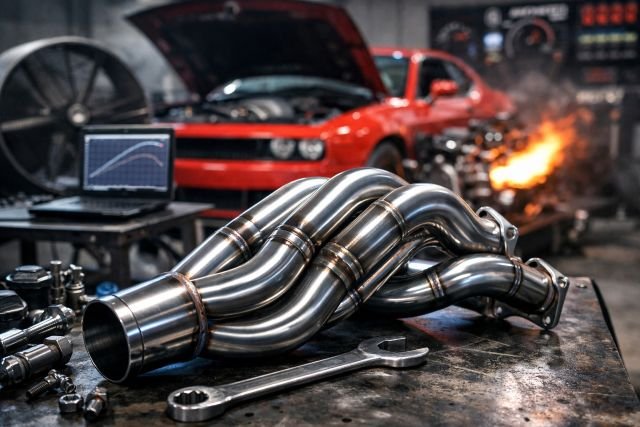
If you’re serious about improving engine performance, upgrading to speed engineering headers is one of the most effective modifications you can make. Performance enthusiasts, racers, and automotive builders consistently rely on high-quality headers to maximize horsepower, improve exhaust flow, and unlock hidden engine potential.
- What Are Speed Engineering Headers?
- How Exhaust Headers Increase Horsepower
- Key Benefits of Speed Engineering Headers
- Long Tube vs Short Tube Headers
- Materials and Build Quality of Speed Engineering Headers
- Installation Considerations
- Pairing Headers with Other Performance Upgrades
- Real-World Performance Example
- Common Questions About Speed Engineering Headers
- Maintenance and Longevity
- Conclusion: Why Speed Engineering Headers Are a Smart Performance Upgrade
Headers are designed to replace restrictive factory exhaust manifolds, allowing exhaust gases to flow more efficiently. This improvement leads to measurable gains in horsepower, torque, throttle response, and overall engine efficiency.
In this comprehensive guide, we’ll explore the top benefits of speed engineering headers, how they improve engine performance, and why they’re considered one of the best upgrades for performance vehicles.
What Are Speed Engineering Headers?
Speed engineering headers are aftermarket exhaust components designed to improve the way exhaust gases exit the engine. Unlike factory manifolds, which are often compact and restrictive, headers use individual tubes for each cylinder that merge into a collector.
This design allows exhaust gases to flow more freely, reducing backpressure and improving engine breathing.
According to the automotive performance experts at Hot Rod Magazine, optimized exhaust flow can significantly improve engine efficiency and power output by reducing exhaust restriction and improving scavenging effects.
High-performance headers are especially beneficial in engines that require efficient airflow, such as V8 performance engines, muscle cars, and modified street vehicles.
How Exhaust Headers Increase Horsepower
The primary reason enthusiasts install headers is simple: more horsepower.
Stock exhaust manifolds are built with cost, durability, and noise reduction in mind—not performance. They often restrict airflow and trap exhaust gases near the engine.
Performance headers solve this issue by improving the exhaust scavenging process.
Improved Exhaust Scavenging
When exhaust gases exit the cylinders efficiently, they help pull the next set of gases out of the engine. This phenomenon is called exhaust scavenging, and it improves combustion efficiency.
Better scavenging means:
- More oxygen enters the cylinders
- Fuel burns more efficiently
- Power output increases
According to research published by the Society of Automotive Engineers (SAE), optimized exhaust systems can improve engine power by 5% to 15% depending on engine configuration.
This makes headers one of the most cost-effective horsepower upgrades available.
Key Benefits of Speed Engineering Headers
1. Significant Horsepower Gains
One of the biggest advantages of installing speed engineering headers is the noticeable increase in horsepower.
By reducing exhaust restrictions, the engine can expel gases faster, which allows the intake cycle to bring in more air and fuel.
For example:
- Many V8 engines gain 15–30 horsepower with performance headers.
- Modified engines can see even greater gains when paired with other upgrades like cold air intakes and performance exhaust systems.
Performance gains vary depending on engine size, tuning, and supporting modifications.
2. Increased Torque Across the RPM Range
While horsepower often gets the spotlight, torque improvements are equally important.
Headers help improve low-end and mid-range torque by optimizing exhaust pulse timing.
This leads to:
- Stronger acceleration
- Improved throttle response
- Better towing capability for trucks
Drivers often notice the difference immediately after installation, especially during acceleration and highway merging.
3. Improved Exhaust Flow and Reduced Backpressure
Factory manifolds often create excessive backpressure, which forces the engine to work harder to push exhaust gases out.
Speed engineering headers solve this problem by providing smoother exhaust pathways and equal-length tubes.
This results in:
- Reduced engine strain
- Improved fuel-air combustion
- Higher overall engine efficiency
The performance benefits become even more noticeable in high-performance engines where airflow is critical.
4. Enhanced Engine Efficiency
Improving exhaust flow doesn’t just increase power—it can also improve engine efficiency.
When exhaust gases exit the engine more efficiently:
- The engine runs cooler
- Combustion becomes more complete
- Fuel usage becomes more efficient
Some drivers report modest improvements in fuel economy after installing headers, especially when combined with proper engine tuning.
5. Better Throttle Response
One of the most noticeable improvements after installing speed engineering headers is enhanced throttle response.
With improved airflow, the engine reacts faster to throttle inputs.
This results in:
- Faster acceleration
- Smoother power delivery
- More responsive driving experience
Performance drivers especially appreciate this improvement during spirited driving or track use.
6. Aggressive Performance Sound
Headers don’t just improve performance — they also enhance the exhaust sound of your vehicle.
Because exhaust gases flow more freely, the engine produces a deeper, more aggressive tone.
Many enthusiasts describe the sound as:
- Deeper
- Louder
- More performance-oriented
When paired with a performance exhaust system, headers can transform the overall sound profile of the vehicle.
Long Tube vs Short Tube Headers
When choosing speed engineering headers, you’ll typically encounter two primary designs.
Long Tube Headers
Long tube headers are designed to maximize performance gains by providing longer exhaust pathways.
Benefits include:
- Maximum horsepower gains
- Stronger mid-range torque
- Improved exhaust scavenging
They are commonly used in performance builds and racing applications.
Short Tube Headers
Short tube headers, sometimes called shorty headers, are designed as a direct replacement for factory manifolds.
They offer:
- Easier installation
- Moderate performance improvements
- Better compatibility with stock exhaust systems
Shorty headers are ideal for daily drivers seeking modest performance upgrades.
Materials and Build Quality of Speed Engineering Headers
High-quality headers are typically made from stainless steel or coated mild steel.
Stainless steel headers are preferred because they:
- Resist corrosion
- Withstand high temperatures
- Last longer in harsh conditions
Many performance headers also feature mandrel-bent tubing, which maintains consistent pipe diameter and improves exhaust flow.
According to MotorTrend, mandrel bending preserves airflow efficiency compared to traditional crush-bent pipes.
Installation Considerations
Installing headers can range from straightforward to complex depending on the vehicle.
Key installation factors include:
- Engine bay clearance
- Compatibility with catalytic converters
- Access to mounting bolts
Professional installation is recommended for some vehicles because header installation may require lifting the engine or modifying exhaust components.
However, experienced DIY enthusiasts often complete the installation with basic tools and patience.
Pairing Headers with Other Performance Upgrades
To maximize the benefits of speed engineering headers, they should be paired with complementary performance upgrades.
These may include:
- Performance exhaust systems
- High-flow catalytic converters
- Cold air intake systems
- ECU tuning
Combining these modifications creates a complete airflow improvement system, allowing the engine to breathe efficiently from intake to exhaust.
Real-World Performance Example
Consider a typical Chevrolet Camaro SS with a 6.2L V8 engine.
Many performance builds report gains of 20–30 horsepower after installing long tube headers and tuning the ECU.
These gains become even more significant when combined with additional upgrades like performance camshafts or intake systems.
Track testing and dyno results frequently confirm these improvements.
Common Questions About Speed Engineering Headers
Do headers really increase horsepower?
Yes. Performance headers improve exhaust flow and reduce backpressure, which allows engines to produce more horsepower. Gains typically range from 5% to 15% depending on the engine.
Are speed engineering headers worth it?
For performance enthusiasts, headers are one of the most cost-effective upgrades. They improve horsepower, torque, sound, and overall engine efficiency.
Do headers require tuning?
While headers can improve performance on their own, ECU tuning often maximizes horsepower gains by optimizing air-fuel ratios and ignition timing.
Will headers make my car louder?
Yes. Headers typically create a deeper and more aggressive exhaust sound, especially when combined with aftermarket exhaust systems.
Maintenance and Longevity
High-quality speed engineering headers are designed to last for many years when properly maintained.
Routine inspection should include:
- Checking for exhaust leaks
- Tightening header bolts
- Inspecting heat shields and gaskets
Using quality gaskets and proper installation techniques helps prevent common issues such as exhaust leaks.
Conclusion: Why Speed Engineering Headers Are a Smart Performance Upgrade
Upgrading to speed engineering headers is one of the most effective ways to unlock your engine’s true performance potential.
By improving exhaust flow, reducing backpressure, and optimizing scavenging, headers deliver measurable gains in horsepower, torque, and throttle response. They also enhance engine efficiency and produce a more aggressive exhaust sound that many enthusiasts love.
Whether you’re building a track-ready performance machine or simply looking to improve your daily driver, speed engineering headers provide a proven and reliable path to increased power and better driving performance.