



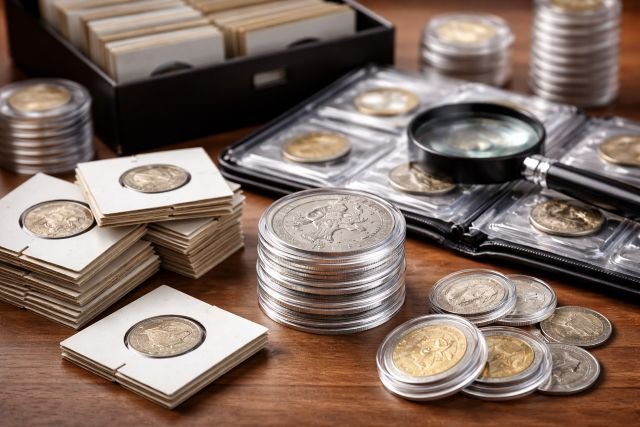
If you’re trying to protect coins on a budget, the right coin holder matters more than most people realize. A “cheap” holder can become expensive fast if it scratches surfaces, traps moisture, or leaches chemicals that leave a cloudy haze or green residue. The good news: you don’t need museum-grade display cases to store coins safely. With a few smart choices — PVC-free materials, stable storage conditions, and the right holder style for each coin — you can get serious protection without overspending.
- What “protection” really means for a coin holder
- The budget rule: pay for materials, not marketing
- Affordable coin holder choices (ranked by protection-per-dollar)
- The hidden half of protection: storage conditions (cheap to fix, huge payoff)
- Choosing the right coin holder by coin type (quick matching guide)
- Common questions
- A practical “no-regrets” buying checklist
- Conclusion: affordable protection is absolutely possible with the right coin holder
This guide breaks down affordable coin holder solutions that collectors actually rely on, how to avoid the common “budget traps,” and what to use for everything from pocket-change finds to silver bullion to collectible proofs.
What “protection” really means for a coin holder
A coin holder isn’t just about organization. It’s a barrier between your coin and the things that quietly ruin surfaces over time:
- Mechanical damage (hairlines, rub, edge nicks) from sliding coins in/out or coins touching each other
- Chemical damage from plastics or paper that release acids, sulfur, or plasticizers
- Moisture and pollutants that accelerate toning, spotting, or corrosion
- Handling damage from fingerprints and skin oils (especially on proofs and high-grade coins)
One of the most notorious risks is PVC contamination. Numismatic Guaranty Company (NGC) explains that prolonged exposure to PVC residue in the presence of moisture can form hydrochloric acid and permanently scar coins. That’s why “affordable” must also mean chemically stable.
The budget rule: pay for materials, not marketing
A lot of products scream “archival” without telling you what they’re made from. The Smithsonian’s National Postal Museum warns that “archival” is often used as a sales term and encourages collectors to ask about the plastic’s chemical properties.
So instead of buying based on the label, buy based on material and use case:
- For flips: look for PET (polyester/Mylar/Melinex) or polypropylene (PVC-free)
- For capsules: look for rigid, inert plastics designed for coins (and avoid soft, oily-feeling vinyl)
- For albums/pages: avoid PVC slides; prefer safer polymers and acid-free components
- For boxes: aim for inert plastics or acid-free cardboard designed for long-term storage
Affordable coin holder choices (ranked by protection-per-dollar)
1) Cardboard 2x2s: the best starter coin holder for most collections
A classic cardboard 2×2 with a clear window is often the most cost-effective “individual protection” option. They’re especially useful if you’re sorting by date/mintmark and want to label quickly.
Why they work
They prevent coins from rubbing each other, make handling safer, and store efficiently in standard boxes.
What to watch
Quality varies a lot. Some cheaper versions use questionable cardboard or staples that can scratch coins if not flattened properly. If you collect higher-grade pieces, consider upgrading those coins to flips or capsules.
Use scenario
You inherited a mixed collection of circulated coins and want safe, labeled storage while you decide what’s worth upgrading.
2) PVC-free flips (PET/Mylar/Melinex): affordable, high-protection coin holder for long-term storage
If you want a bigger jump in protection without a big jump in cost, PVC-free flips are a go-to. Many collectors prefer polyester (often referred to as “Mylar,” though brand names vary) because it’s stable and clear.
Some archival suppliers note that PET-based films have been tested for long-term safety by institutions like the Library of Congress (in the context of preservation testing for plastics).
Why they work
They reduce chemical risk (when PVC-free), store flat, and fit easily into boxes. They’re also commonly used for submissions to grading services (when the flip meets service requirements).
What to avoid
Soft, flexible flips that smell like shower curtain material or feel oily can be a red flag for PVC. NGC specifically educates collectors on recognizing PVC-containing holders and the risks of residue.
Featured-snippet tip: How to tell if a flip might contain PVC
PVC flips are often overly soft and flexible and may develop an oily film over time; safer flips are typically PET/polyester or polypropylene and are marketed as PVC-free. When in doubt, don’t risk valuable coins — upgrade the holder.
Use scenario
You have silver coins or nicer circulated pieces and want long-term storage that won’t introduce chemical damage.
3) Coin tubes: the cheapest safe option for bullion and modern rolls (when used correctly)
For modern coins and bullion rounds that aren’t ultra-high grade, tubes can be the most economical solution.
Why they work
They’re compact, inexpensive per coin, and great for stacking. They reduce handling and keep sets together.
The catch
Tubes allow coins to touch each other, so they’re not ideal for proofs, pristine uncirculated coins, or anything where micro-scratches matter. Also, the tube material matters—avoid unknown soft plastics.
Use scenario
You’re storing multiple ounces of silver rounds or modern circulated coins and want low-cost bulk protection.
4) Coin albums and pages: great for display and browsing — if the pages are safe
Albums are popular because they turn your collection into something you can actually enjoy flipping through. The risk is that some album pages use problematic plastics.
How to buy albums affordably without compromising
- Prefer systems known for collector use and avoid unknown “generic vinyl pages”
- Keep high-grade coins in flips/capsules even if the rest of the set sits in an album
- Don’t store albums in humid areas (basements are a coin’s enemy)
The ANA’s educational content highlights that different storage options fit different goals, from cardboard flips and tubes to higher-end holders, reinforcing the idea that “best” depends on the coin and your budget.
Use scenario
You’re building a date set and want an enjoyable way to view progress, while reserving premium holders for key dates.
5) Capsules: premium feel, strong protection — still affordable for your “top coins”
Capsules (airtight-style holders) can look like a luxury option, but you don’t need to capsule everything. A smart budget strategy is to capsule only the coins that truly benefit from it: proofs, high-grade uncirculated, special toners, or anything you’d hate to see hairlined.
Why they work
They protect surfaces from handling and reduce environmental contact more than most options.
How to keep capsules budget-friendly
Use them selectively. Most collections have a “top 10–20%” of coins that deserve a stronger holder.
Use scenario
You have a few proofs or high-grade coins you show friends and want safe handling without committing to grading.
The hidden half of protection: storage conditions (cheap to fix, huge payoff)
Even the best coin holder can’t compensate for a bad environment. A reputable bullion dealer guide recommends stable conditions around 65–70°F and ~40% relative humidity to help prevent damage from temperature/humidity swings.
You don’t need a vault to get this right. The affordable moves are simple:
- Keep coins out of basements and attics (big swings in humidity/temperature)
- Store in a dark, stable closet rather than near windows or exterior walls
- Add a small hygrometer so you know if humidity is creeping up
- Use desiccants (and replace/recharge them on schedule)
If you’re collecting in a humid climate, humidity control can be the difference between “bright surfaces” and “spots and haze” over time.
Choosing the right coin holder by coin type (quick matching guide)
Circulated coins (most pocket change, bulk world coins)
- Best budget match: cardboard 2x2s or tubes (bulk)
- Upgrade triggers: key dates, unusual toning, higher grades
Brilliant uncirculated (BU) and modern issues you want to keep pristine
- Best budget match: PVC-free flips for storage, capsules for top pieces
- Avoid: anything that lets coins slide against plastic repeatedly
Proof coins and mirror-like surfaces
- Best match: capsules (or grading if value justifies it)
- Proofs show hairlines instantly; don’t treat them like circulated coins
Silver bullion and rounds
- Best budget match: tubes for stacking, flips/capsules for “show” coins
- Focus on: moisture control and minimal handling
Common questions
What is the best affordable coin holder for beginners?
For most beginners, a cardboard 2×2 coin holder is the best balance of cost, labeling, and basic protection. For long-term safety, upgrade valuable coins to PVC-free flips or capsules.
Are plastic coin holders safe?
Some are, some aren’t. NGC warns about PVC-containing holders because residue plus moisture can create damage that permanently scars coins. Choose PVC-free materials like PET/polyester (“Mylar/Melinex”) or polypropylene.
How do I prevent PVC damage without spending a lot?
Stop using unknown soft vinyl flips, move coins into PVC-free flips or 2x2s, and store them in stable temperature/humidity. Even modest climate control helps; guidance commonly emphasizes stable conditions and moderate humidity.
Do coin tubes scratch coins?
They can, because coins contact each other. Tubes are great for bullion and bulk storage, but they’re not ideal for proof coins or high-grade uncirculated pieces where micro-scratches reduce value.
Should I grade coins instead of buying better holders?
Grading can make sense for higher-value coins, but it’s not the first step for every collection. A practical approach is: protect coins properly first (PVC-free flips/capsules), then grade only the coins whose value and authenticity needs justify the fee.
A practical “no-regrets” buying checklist
Before you buy any affordable coin holder solution, check three things:
- Material clarity: Does the listing clearly say PVC-free and specify PET/polyester or polypropylene?
- Coin fit: Does it hold the coin snugly without forcing it (too tight risks edge damage)?
- Storage system: Do you already have a box/album that fits the holder size you’re buying?
If the product won’t state materials, treat that as your answer.
Conclusion: affordable protection is absolutely possible with the right coin holder
You don’t need expensive, fancy storage to protect coins well — you just need the right coin holder for the job and a few low-cost habits that prevent the biggest threats: friction, chemicals, and humidity. Start with solid basics like quality 2x2s for organization, upgrade key coins into PVC-free flips or capsules, and keep everything in a stable environment. Since PVC residue and moisture can permanently damage surfaces, choosing safer materials up front is one of the best “budget investments” you can make in your collection.