


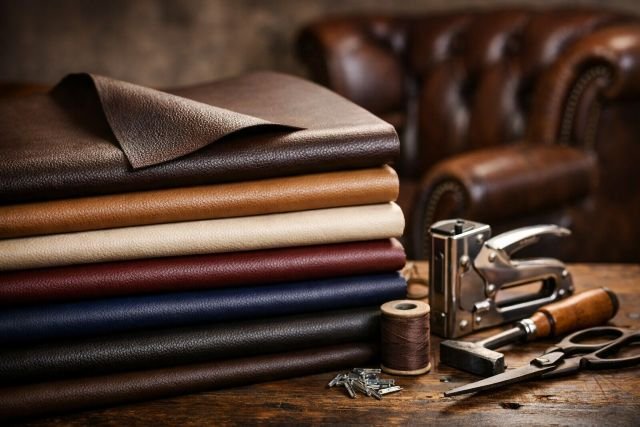
If you’re shopping for leatherette sheets for upholstery, you’re probably trying to balance three things at once: durability (no peeling or cracking), a premium look (not plasticky), and a price that doesn’t hurt. The good news is that modern leatherette — especially newer PU and microfiber-based options — has come a long way in texture, realism, and performance.
- What are leatherette sheets?
- Why upholstery buyers prefer leatherette sheets today
- Best leatherette sheets for upholstery: how to choose the right type
- The specs that actually matter for durable upholstery leatherette
- “Best leatherette sheets” by use case
- PU vs PVC leatherette sheets for upholstery: a simple comparison table
- How to clean leatherette upholstery without damaging it
- Buying checklist: how to spot high-quality leatherette sheets online
- Cost vs value: what “affordable” really means in upholstery leatherette
- FAQ: leatherette sheets for upholstery
- Conclusion: choosing the best leatherette sheets for your upholstery
In this guide, you’ll learn how to choose the right leatherette sheet for sofas, dining chairs, headboards, and commercial seating, plus which specs actually matter (and which are mostly marketing). I’ll also share real-world scenarios (kids, pets, humid climates, heavy use), cleaning tips, and a short FAQ designed for quick “featured snippet” answers.
What are leatherette sheets?
Leatherette sheets are synthetic, leather-look materials sold in sheet form (often by the yard/meter, roll, or cut sheet) for upholstery, crafts, and interior projects. Most upholstery-grade leatherette is made from:
- PU (polyurethane) leatherette: A polyurethane coating over a fabric backing, often softer and more “leather-like.”
- PVC (vinyl) leatherette: A polyvinyl chloride layer, often tougher and more stain-resistant, commonly used in commercial seating.
- Microfiber / microfibre PU: A premium structure with a microfiber base designed to improve strength and reduce cracking/peeling.
Synthetic leather is also a major global category, with market estimates showing strong growth driven by furniture, automotive, and footwear demand.
Why upholstery buyers prefer leatherette sheets today
A lot of people choose leatherette for practical reasons, not just budget:
Easy care in real homes: Wipe-down convenience is a big reason leatherette appears in healthcare and hospitality environments where frequent cleaning is expected.
Consistent color and texture: Unlike natural hides, leatherette sheets can be highly consistent from batch to batch — useful when upholstering multiple pieces.
Style flexibility: You can find matte “Nappa-style” looks, pebbled grains, two-tone distressed finishes, and modern minimalist textures—without the price jump of genuine leather.
Best leatherette sheets for upholstery: how to choose the right type
PU leatherette sheets for a softer, more “luxury” look
If your priority is a comfortable hand-feel and a more realistic drape on curves (tufted headboards, channel backs, rounded arms), PU leatherette sheets are usually the sweet spot.
Where PU works best
- Home sofas and accent chairs (moderate traffic)
- Headboards and wall panels (lower abrasion)
- Dining chairs when you want a softer feel against the skin
Trade-off to understand: Many PU materials are more sensitive to long-term heat/humidity and harsh chemicals than commercial vinyl. Durability varies wildly by grade; higher-quality PU (especially microfiber PU) can last much longer than entry-level PU.
PVC (vinyl) leatherette sheets for maximum toughness and easiest cleaning
If you want “install it and forget it” performance — especially in high-traffic spaces — PVC leatherette sheets (often marketed as vinyl upholstery) are known for abrasion resistance, stain resistance, and simpler disinfection routines.
Where PVC shines
- Restaurants, salons, waiting areas
- Gym benches and commercial seating
- Homes with messy kids + pets where wipe-clean matters more than softness
Comfort note: Vinyl typically feels less breathable and can feel cooler/stickier depending on climate and finish, though modern textures can reduce that effect.
Some manufacturers and industry guides emphasize matching upholstery surfaces to the cleaners/disinfectants they’ll face — especially in healthcare or commercial environments.
Microfiber PU leatherette sheets for “best of both worlds”
If you want a premium look and better performance, microfiber PU is often the upgrade that makes sense — especially for busy living rooms or boutique commercial spaces that want a softer, high-end aesthetic.
In simple terms: microfiber PU aims to reduce common failure modes (peeling, cracking at flex points) while keeping that softer PU feel. Some material comparisons cite microfiber PU as stronger than standard PU and closer to PVC in abrasion performance, depending on construction.
The specs that actually matter for durable upholstery leatherette
Abrasion resistance (Martindale or rub cycles)
Abrasion testing is one of the most useful indicators for upholstery durability. The Martindale test is a widely used method for measuring abrasion resistance in upholstery fabrics and coated materials.
Practical rule of thumb (not a strict standard):
- Light residential: lower rub counts can work (accent pieces)
- Heavy residential: aim higher (family sofa, dining chairs)
- Commercial: highest rub counts + stain/chemical resistance
When a supplier lists Martindale/rub results, it’s a strong signal they’re selling a more upholstery-serious material rather than thin craft leatherette.
Backing and thickness
Two leatherette sheets can look identical from the front, but behave completely differently because of the backing:
- Woven backings can add stability and reduce stretching
- Nonwoven backings can be softer but may tear more easily in some cases
- Microfiber structures often improve tear strength and flex performance
If you’ve ever seen a dining chair seat split at the staple line, that’s often a backing/tear-strength problem — not just “bad leatherette.”
UV resistance (especially near windows)
If a sofa sits in direct sunlight, UV stability matters. Some material guides compare PU vs PVC and note differences in UV stability depending on formulation and grade.
Real-world scenario: A light beige leatherette sectional in a sunny room can yellow or fade faster if UV performance is weak. If that’s your room, ask for UV data or choose lines marketed for automotive/marine or sunlit commercial interiors.
Hydrolysis and humidity performance
Hot, humid environments can accelerate breakdown of some PU coatings over time. Material guidance often calls out hydrolysis resistance differences between constructions.
If you live in a humid coastal climate or your furniture is near kitchens/bathrooms, consider higher-grade PU, microfiber PU, or commercial vinyl.
“Best leatherette sheets” by use case
Best for family sofas (kids + pets)
Choose microfiber PU or a commercial-grade PVC/vinyl if:
- You need frequent wipe-down cleaning
- You expect claws, toys, and spills
- You want long wear on seat cushions and arm tops
Best for dining chairs
Dining chairs get constant friction at the front edge and seat center. Look for:
- Higher abrasion ratings (ask for Martindale/rub data)
- Strong backing for staples/tacks
- A texture that hides scuffs (pebble grains are forgiving)
Best for headboards and wall upholstery
These are lower-abrasion surfaces, so you can prioritize aesthetics:
- Matte PU with a “Nappa” feel
- Textured finishes that look more natural under bedroom lighting
Best for commercial waiting areas
Commercial seating is where PVC/vinyl leatherette sheets often win:
- Strong abrasion performance
- Simpler cleaning/disinfection expectations in public spaces
PU vs PVC leatherette sheets for upholstery: a simple comparison table
| Feature | PU Leatherette Sheets | PVC/Vinyl Leatherette Sheets | Microfiber PU |
|---|---|---|---|
| Feel | Softer, more leather-like | Firmer, often less breathable | Soft + structured |
| Durability (typical) | Varies by grade | Often very tough | Often higher than standard PU |
| Cleaning | Gentle cleaners preferred | Wipe-clean, often more tolerant | Moderate–high depending on finish |
| Best for | Home luxury looks | Commercial + heavy use | Premium home + boutique commercial |
(Always verify with the supplier’s technical sheet; “PU” and “PVC” are broad categories and quality varies.)
How to clean leatherette upholstery without damaging it
Most leatherette maintenance succeeds or fails based on what you avoid.
Everyday cleaning (safe baseline)
- Use a soft cloth with mild soap and water
- Dry after wiping to prevent residue buildup
When disinfection matters
In healthcare and high-touch environments, cleaning/disinfection guidance often emphasizes using products appropriately and following established procedures.
Avoid common damage triggers
- Harsh solvents that can dull or weaken coatings
- Abrasive scrubbers that create micro-scratches (which then trap dirt)
- Leaving strong cleaners to “soak” on the surface
Buying checklist: how to spot high-quality leatherette sheets online
When you can’t touch the material, use this short checklist:
- Ask for the technical data sheet: abrasion (Martindale/rub), thickness, backing type, and recommended cleaners.
- Look for upholstery-grade backing: especially if you’ll staple it.
- Check return policies and batch notes: color can shift between lots.
- Order swatches: the cheapest way to avoid expensive regret.
Pro tip: If a listing only says “faux leather sheet” with no thickness, backing, or abrasion info, assume it’s craft-grade unless proven otherwise.
Cost vs value: what “affordable” really means in upholstery leatherette
“Affordable” leatherette sheets aren’t always the lowest price per yard. Upholstery failures usually happen at flex points (seat front edges, cushion tops, arm caps). Paying slightly more for microfiber PU or commercial vinyl can be cheaper than reupholstering again in two years.
And because synthetic leather is a fast-growing category with many competing suppliers, you can often find better grades at mid-range prices if you shop by specs instead of marketing names.
FAQ: leatherette sheets for upholstery
Are leatherette sheets good for upholstery?
Yes. Leatherette sheets can be excellent for upholstery when you choose an upholstery-grade material with strong abrasion resistance, a durable backing, and a finish that matches your cleaning needs (especially for high-traffic seating).
What is the most durable type of leatherette for furniture?
For heavy-use furniture, PVC/vinyl leatherette is often selected for toughness and easy maintenance, while microfiber PU is a strong option when you want a softer, premium feel with improved performance over standard PU.
Does leatherette peel or crack over time?
It can — usually due to low-grade coatings, weak backing, heavy abrasion, UV exposure, or humidity-related breakdown. Choosing higher-grade PU (especially microfiber PU) or commercial vinyl, and cleaning with compatible products, reduces the risk.
How do I choose leatherette sheets for a sofa?
Use this quick method:
- Pick microfiber PU for a softer, luxury look in busy homes
- Pick PVC/vinyl for maximum durability and easiest wipe-clean performance
- Verify abrasion data (Martindale/rub cycles) and backing strength before buying
Is leatherette easy to clean?
Generally, yes — most leatherette is wipe-clean. For environments requiring frequent cleaning and disinfection, follow established cleaning procedures and the material manufacturer’s compatibility guidance.
Conclusion: choosing the best leatherette sheets for your upholstery
The “best” leatherette sheets depend on where and how you’ll use them. For family sofas and everyday seating, microfiber PU often delivers the most balanced mix of elegance and durability. For commercial or ultra-high-traffic spaces, PVC/vinyl leatherette is hard to beat for toughness and wipe-clean convenience. Whatever you choose, buy by specifications — abrasion testing, backing type, thickness, and cleaner compatibility — not just product names.