



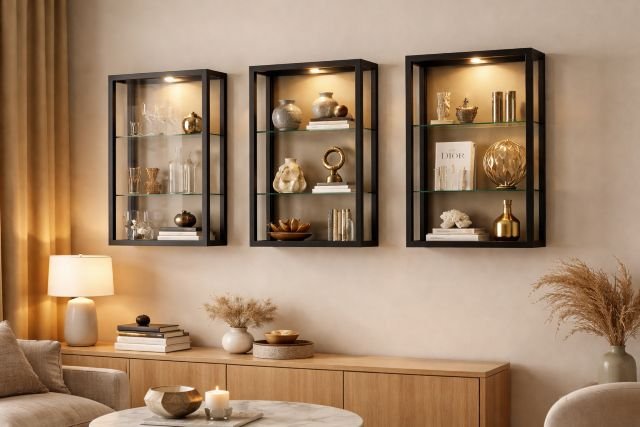
A display case on wall can instantly elevate your interior without requiring a full renovation. Whether you’re showcasing collectibles, awards, art pieces, or heirlooms, the right wall-mounted display solution creates a polished, gallery-style look at a fraction of the cost of custom cabinetry.
- Why a Display Case on Wall Instantly Elevates a Room
- Affordable Materials That Look High-End
- Wall-Mounted Glass Display Case Ideas
- How to Make a Cheap Display Case Look Expensive
- Best Rooms for a Display Case on Wall
- Affordable Display Case Styles That Mimic Custom Designs
- Display Case on Wall vs. Floor Cabinet: Which Is Better?
- Common Questions About Wall Display Cases
- Real-World Example: Budget Transformation
- Expert Tips for a High-End Finish
- Conclusion: Elevate Your Space with an Affordable Display Case on Wall
The good news? You don’t need a luxury budget to achieve a designer aesthetic. With smart material choices, clever styling, and a few expert tricks, affordable wall display cases can look just as refined as high-end built-ins.
In this guide, you’ll discover budget-friendly display case ideas, styling strategies, material comparisons, and expert-backed insights to help you create a stunning wall feature that looks far more expensive than it actually is.
Why a Display Case on Wall Instantly Elevates a Room
Interior designers often emphasize vertical space as one of the most underutilized design opportunities. According to the National Association of Home Builders (NAHB), built-ins and wall features are among the top desired interior elements in modern homes.
A wall-mounted display cabinet creates:
- Visual height and architectural interest
- A focal point without consuming floor space
- Organized storage with decorative appeal
- A curated, museum-style presentation
Unlike bulky furniture, a display case on wall solutions maximize space efficiency. This makes them ideal for apartments, small living rooms, hallways, and offices.
Affordable Materials That Look High-End
The secret to making a budget display cabinet look expensive lies in material selection.
1. MDF with Veneer Finish
Medium-density fiberboard (MDF) is affordable but highly versatile. When finished with wood veneer or high-quality laminate, it mimics solid hardwood at a significantly lower cost.
According to HomeAdvisor’s cost guides, custom hardwood cabinetry can cost 3–5 times more than MDF-based alternatives.
To elevate MDF:
- Choose matte or satin finishes instead of glossy laminates
- Opt for walnut, oak, or black veneer tones
- Add brass or matte black hardware
2. Tempered Glass Panels
Glass instantly communicates sophistication. Tempered glass is affordable and widely available. It also adds lightness and visual depth.
For a luxury feel:
- Choose low-iron glass for extra clarity
- Install concealed hinges
- Add interior LED lighting
3. Metal Frames for a Modern Edge
Thin metal frames give a contemporary, boutique-display look. Powder-coated aluminum is affordable and durable.
Black metal frames paired with glass shelves create a high-end retail aesthetic often seen in designer stores.
Wall-Mounted Glass Display Case Ideas
If you want your display case on wall to look premium, glass-front designs are the most effective option.
Floating Glass Cabinets
Floating display cabinets create a seamless, built-in illusion. Mounting the case slightly above eye level enhances the effect.
Interior designers often recommend installing display cabinets at 57–60 inches from the floor to align with average eye level.
Recessed Wall Display Niches
If renovation is possible, recessed niches are one of the most luxurious-looking solutions. Because they sit inside the wall cavity, they appear custom-built.
Even adding simple LED strip lighting inside a niche can dramatically increase perceived value.
How to Make a Cheap Display Case Look Expensive
You don’t need to spend more. You need to style smarter.
Use Integrated Lighting
Lighting is the biggest difference between budget and luxury.
LED strip lights cost very little but transform your display. Warm white lighting (2700K–3000K) creates a gallery effect.
Create Visual Balance
Avoid overcrowding. Negative space signals intentional design.
Professional stylists follow the “rule of thirds” when arranging objects. Group items in odd numbers for a curated look.
Add a Statement Back Panel
A textured or contrasting back panel instantly elevates a basic wall cabinet.
Consider:
- Peel-and-stick wallpaper
- Faux marble sheets
- Wood slats
- Painted matte black interior
Best Rooms for a Display Case on Wall
Different rooms benefit from different styles.
Living Room
A wall-mounted display cabinet can replace traditional shelving. Use it to showcase art, sculptures, or collectibles.
Position it near a seating area but away from direct sunlight to protect items.
Dining Room
Glass display cabinets in dining areas are perfect for fine china or glassware. Mirrored backs can enhance light reflection.
Home Office
A sleek display case on wall design can showcase awards, books, and memorabilia without cluttering the desk.
Hallway or Entryway
Narrow hallways benefit from shallow-depth display cases. Choose slim profiles under 10 inches deep.
Affordable Display Case Styles That Mimic Custom Designs
Here are design styles that look high-end without the high price tag.
Minimalist Frameless Designs
Frameless glass doors with concealed hinges create a seamless, luxury look.
Industrial Metal and Glass
Black metal frames combined with clear glass create a showroom aesthetic.
Scandinavian-Inspired Wood Cases
Light wood tones with clean lines feel modern yet warm.
Built-In Illusion Cabinets
Install two or three identical cabinets side-by-side to create a built-in wall unit look.
Display Case on Wall vs. Floor Cabinet: Which Is Better?
Wall-mounted display cases are better for:
- Small spaces
- Modern interiors
- Minimalist designs
- Reducing visual clutter
Floor cabinets are better for:
- Large collections
- Heavier items
- Traditional decor
If you want a sleek, contemporary look, wall-mounted options typically feel more refined.
Common Questions About Wall Display Cases
What is the best depth for a wall display case?
Most wall display cases range from 6 to 12 inches deep. Shallow designs (6–8 inches) work best in hallways. Deeper options are suitable for larger collectibles.
Are wall-mounted display cases safe?
Yes, when installed properly into studs or with heavy-duty wall anchors. Always check weight capacity guidelines from manufacturers.
How do you secure collectibles inside a display case?
Use lockable glass doors and tempered glass shelving. For added protection, consider UV-protective glass if displaying valuable art.
Real-World Example: Budget Transformation
A homeowner wanted to display vintage sports memorabilia but had a limited budget.
Instead of custom cabinetry, they purchased three affordable MDF glass-front cabinets and installed warm LED strips inside. The total project cost was under $500.
The final result resembled a custom $3,000 installation.
The difference? Lighting, spacing, and consistent styling.
Expert Tips for a High-End Finish
Paint surrounding walls in a contrasting matte finish to create depth.
Align multiple display cases symmetrically.
Hide mounting hardware.
Install soft-close hinges.
Use museum putty to stabilize delicate items.
Keep interior colors neutral to highlight displayed objects.
Conclusion: Elevate Your Space with an Affordable Display Case on Wall
An affordable display case on wall solution can completely transform your space without draining your budget. With the right materials, integrated lighting, smart styling, and careful placement, even low-cost cabinets can look custom-designed.
The key is intention. Choose quality finishes, prioritize lighting, avoid clutter, and create symmetry. When executed thoughtfully, your wall-mounted display case will look elegant, refined, and far more expensive than its price tag suggests.