


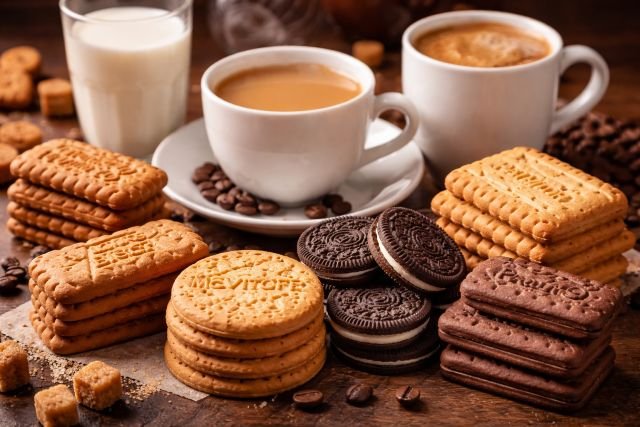
There’s a reason branded biscuits keep showing up next to a teacup, a fresh coffee, or a cold glass of milk. They’re consistent, widely available, and designed to deliver a dependable crunch, creaminess, or melt-in-the-mouth bite — every single time. When you pair them thoughtfully, the drink doesn’t just “go with” the biscuit; it upgrades it.
- Why branded biscuits pair so well with drinks
- Branded biscuits with tea: classic pairings that always work
- Branded biscuits with coffee: how to match intensity and roast
- Branded biscuits with milk: the smoothest, most kid-friendly pairing
- The pairing formula: how to choose the right biscuit in 10 seconds
- Real-world scenarios and “best match” ideas
- Are branded biscuits “better” than bakery cookies for pairing?
- Actionable tips to make biscuits taste fresher and more “premium”
- FAQs
- Conclusion: make every sip better with branded biscuits
Tea can highlight a biscuit’s aroma and spice. Coffee can pull forward chocolate, caramel, and roasted notes. Milk can soften sharp sweetness and make textures feel richer. And because branded biscuits are made with predictable flavor profiles, they’re actually easier to pair than homemade cookies, where one batch can taste different from the next.
In places like the UK, tea is practically a daily ritual — one UK Tea & Infusions Association report mentions “100 million cups of tea” consumed per day in the UK. That’s exactly the kind of routine where small upgrades (like the right biscuit pairing) make a noticeable difference.
Why branded biscuits pair so well with drinks
The best pairings work because of three simple things: contrast, complement, and texture timing.
A sip of tea can “reset” your palate after sweetness, so you notice buttery notes more clearly. Coffee’s bitterness can make chocolate biscuits taste deeper and less sugary. Milk lowers the perception of bitterness and can make vanilla, caramel, and cocoa taste smoother and rounder.
Texture is the secret weapon. Some branded biscuits are built to stay crisp even with a quick dunk. Others are meant to soften fast and turn cake-like. Knowing which is which is how you avoid the classic “biscuit broke into the cup” tragedy.
Branded biscuits with tea: classic pairings that always work
Tea brings aroma and gentle bitterness, so it’s a natural match for sweet, buttery, or lightly spiced biscuits. If you want a “safe” pairing that pleases almost everyone, start here.
Black tea + buttery or lightly sweet branded biscuits
English Breakfast, Assam, and strong black teas (often taken with milk) love biscuits that are simple and rich.
Butter-forward biscuits work especially well because black tea cuts through richness. If your biscuit tastes slightly salty, even better — salt makes tea’s sweetness feel more pronounced.
A strong, everyday tea is also the best setting for biscuits with “tea-dunk engineering”: sturdy, crisp, and not too crumbly.
Earl Grey + citrus-friendly biscuits
Earl Grey’s bergamot note can clash with heavy chocolate, but it shines next to biscuits that include vanilla, light cream, or subtle spice.
If your biscuit has lemon, orange, or even a gentle floral vibe (like cardamom or a light cinnamon), Earl Grey can make it taste more “perfumed” and premium.
Masala chai + spiced, caramel, or nutty biscuits
Chai is already layered — cinnamon, cardamom, ginger, clove — so it needs biscuits that can keep up without becoming sugary noise.
Spiced biscuits, caramel notes, and nutty flavors (like almond) hold their own. A plain butter biscuit can work too, because it becomes a neutral base that lets the chai’s spices pop.
Green tea + less-sweet, clean-tasting biscuits
Green tea is delicate and can turn metallic if paired with very sugary, artificial-tasting biscuits. Choose biscuits that are lightly sweet, not overly creamy, and not aggressively flavored.
Vanilla, honey notes, and gentle grain flavors pair beautifully here. If you like a “lighter snack” vibe, this pairing is often the winner.
Herbal teas + ingredient-matching biscuits
Herbal teas are easiest when you pair by ingredient family:
Minty teas pair well with cocoa or chocolate-flavored biscuits. Fruity teas pair well with vanilla or berry notes. Ginger or lemon teas pair well with buttery or lightly spiced biscuits.
The UKTIA tea census also notes many people drink tea at home and across different times of day, which is exactly when flexible snack pairings matter most.
Branded biscuits with coffee: how to match intensity and roast
Coffee is stronger than tea in bitterness and roasted aroma, so it’s the best partner for richer biscuits — especially chocolate, caramel, and cream-filled styles.
Espresso + chocolate or dark cocoa biscuits
Short, intense coffee needs a biscuit with “weight.” Chocolate biscuits work because coffee and cocoa share roasted notes. If you like the café vibe at home, espresso plus chocolate-flavored branded biscuits is the closest shortcut.
Cappuccino or latte + caramel, vanilla, and cream biscuits
Milk-based coffees are sweeter and softer. They pair extremely well with biscuits that have cream fillings, vanilla, caramel, or light chocolate.
This is the pairing category that feels the most “dessert-like,” even if you’re just having a quick break.
Filter coffee + crunchy, balanced sweetness
Drip/filter coffee is steady and aromatic, but not as punchy as espresso. Go for biscuits that are crisp, not too sweet, and not too oily.
If your biscuit has a toasted or grain-forward flavor, it can mirror the roasted profile of coffee nicely.
Iced coffee + biscuits that stay crisp
Cold coffee can mute flavors, so you want biscuits with clear taste: distinct cocoa, bold vanilla, or noticeable spice. Crispness matters here because iced drinks often make dunking harder (and messier).
If you do dunk, do it quickly and treat it like a “tap dip,” not a soak.
For coffee popularity context: the International Coffee Organization maintains a major global coffee dataset covering production, trade, and consumption trends. Even without memorizing the numbers, it’s a reminder that coffee habits are widespread—and snack pairings are a daily decision for a lot of people.
Branded biscuits with milk: the smoothest, most kid-friendly pairing
Milk is the universal peacemaker. It reduces perceived bitterness, softens sweetness, and turns crunchy biscuits into a comforting, almost cereal-like experience.
This matters a lot in milk-heavy cultures too. For example, FAO material on Pakistan notes very high per-capita milk consumption (reported as about 190 liters nationally, in that document). In places where milk is a frequent everyday drink, biscuit pairing becomes less of a “treat idea” and more of a routine.
Cold milk + cocoa, chocolate chip, and crunchy biscuits
Classic for a reason. Cocoa biscuits taste rounder with milk, and milk makes chocolate feel creamier rather than sharp.
If the biscuit is very sweet, cold milk balances it best.
Warm milk + vanilla, honey, and gentle spice biscuits
Warm milk brings out comforting notes like vanilla and cinnamon. It’s perfect for evening snacks because it feels soothing.
Warm milk also softens biscuits faster, so choose ones that you want to go tender, not ones you need to stay crunchy.
Milk for dunking: which biscuits hold up?
If you want the cleanest dunking experience, pick biscuits that are:
- Not too crumbly
- Baked crisp rather than airy
- Uniform in thickness
- Not overloaded with fillings that slip out
A filled biscuit can still dunk well, but the filling can separate if you hold it too long. Keep dunking time short.
The pairing formula: how to choose the right biscuit in 10 seconds
If you’re standing in a shop or looking at what’s already in your kitchen, here’s the quick logic:
1) Match strength to strength
Strong drink (espresso, strong black tea) → richer biscuit (chocolate, caramel, cream, butter-heavy)
Gentle drink (green tea, herbal tea, warm milk) → lighter biscuit (vanilla, lightly sweet, simple crunch)
2) Use contrast when things feel “too much”
If your drink is sweet (latte, chai with sugar), choose a less-sweet biscuit.
If your drink is bitter (black coffee), choose a sweeter or creamier biscuit.
3) Think texture as part of flavor
Crisp biscuits feel brighter and lighter.
Softening biscuits feel richer and more dessert-like.
Real-world scenarios and “best match” ideas
Scenario 1: Morning tea at work
You want clean, no-mess, reliable. Choose branded biscuits that are firm and not overly chocolatey, so they don’t feel heavy first thing.
Pair with black tea or milk tea for a classic, comforting start.
Scenario 2: Afternoon coffee break
You want something that feels like a mini reward. Chocolate or cream biscuits shine here, especially with cappuccino or latte.
If you’re having black coffee, go for caramel, chocolate, or anything with a creamy center.
Scenario 3: Late-night snack with warm milk
Pick vanilla, honey, or gentle spice biscuits that feel soothing. Avoid very dark chocolate if you’re sensitive to caffeine-like stimulation (even though the biscuit itself may not have caffeine, the “dessert intensity” can feel energizing).
Are branded biscuits “better” than bakery cookies for pairing?
For pairing consistency, often yes. The biggest advantage is predictability: the sweetness level, crunch, and portion size don’t change.
That’s also part of why the biscuit category keeps growing globally. Some market research summaries estimate the biscuits/crackers market well above $100B in 2024 and project continued growth. (Treat these as industry estimates, not official government counts — but they do reflect how mainstream biscuits are as a daily snack.)
Actionable tips to make biscuits taste fresher and more “premium”
Refresh the texture
If biscuits have gone a little soft, store them airtight with minimal headspace. Texture changes are usually about moisture exposure, not the brand.
Upgrade the serve without extra effort
Try warming the drink and keeping the biscuit at room temperature. Temperature contrast makes aroma feel stronger.
Control sweetness
If your biscuit is very sweet, choose an unsweetened drink (black tea without sugar, black coffee, or plain milk). If your drink is sweet, pick a simpler biscuit.
Build a “pairing rotation”
Keep three biscuit styles at home:
One simple/buttery, one chocolate, one lightly spiced or vanilla. That covers tea, coffee, and milk without overthinking it.
FAQs
What are branded biscuits?
Branded biscuits are packaged biscuits produced by recognized manufacturers with consistent recipes, standardized taste, and reliable texture across batches.
Which branded biscuits go best with tea?
Buttery, lightly sweet, or gently spiced branded biscuits pair best with tea because tea’s bitterness and aroma balance sweetness and highlight buttery notes.
Which biscuits pair best with coffee?
Chocolate, caramel, vanilla-cream, and richer biscuits pair best with coffee because coffee’s roasted bitterness complements cocoa and caramel flavors.
Are branded biscuits good with milk?
Yes. Milk softens sweetness, reduces bitterness, and makes chocolate and vanilla flavors taste smoother — especially with crunchy biscuits.
How do you dunk biscuits without them falling apart?
Use a quick dip (1–2 seconds), choose firm biscuits with uniform thickness, and avoid holding filled biscuits in the drink too long because fillings can separate.
Conclusion: make every sip better with branded biscuits
The best branded biscuits aren’t just “something on the side.” When paired correctly, they amplify what you love about tea, coffee, or milk — whether that’s aroma, richness, spice, or comfort. Use strength-matching for easy wins, contrast when sweetness or bitterness feels too intense, and treat texture like part of the flavor.
With a small rotation of branded biscuits at home (simple buttery, rich chocolate, and lightly spiced/vanilla), you can cover tea breaks, coffee moments, and milk-time snacks without overthinking and every cup feels a little more intentional.